
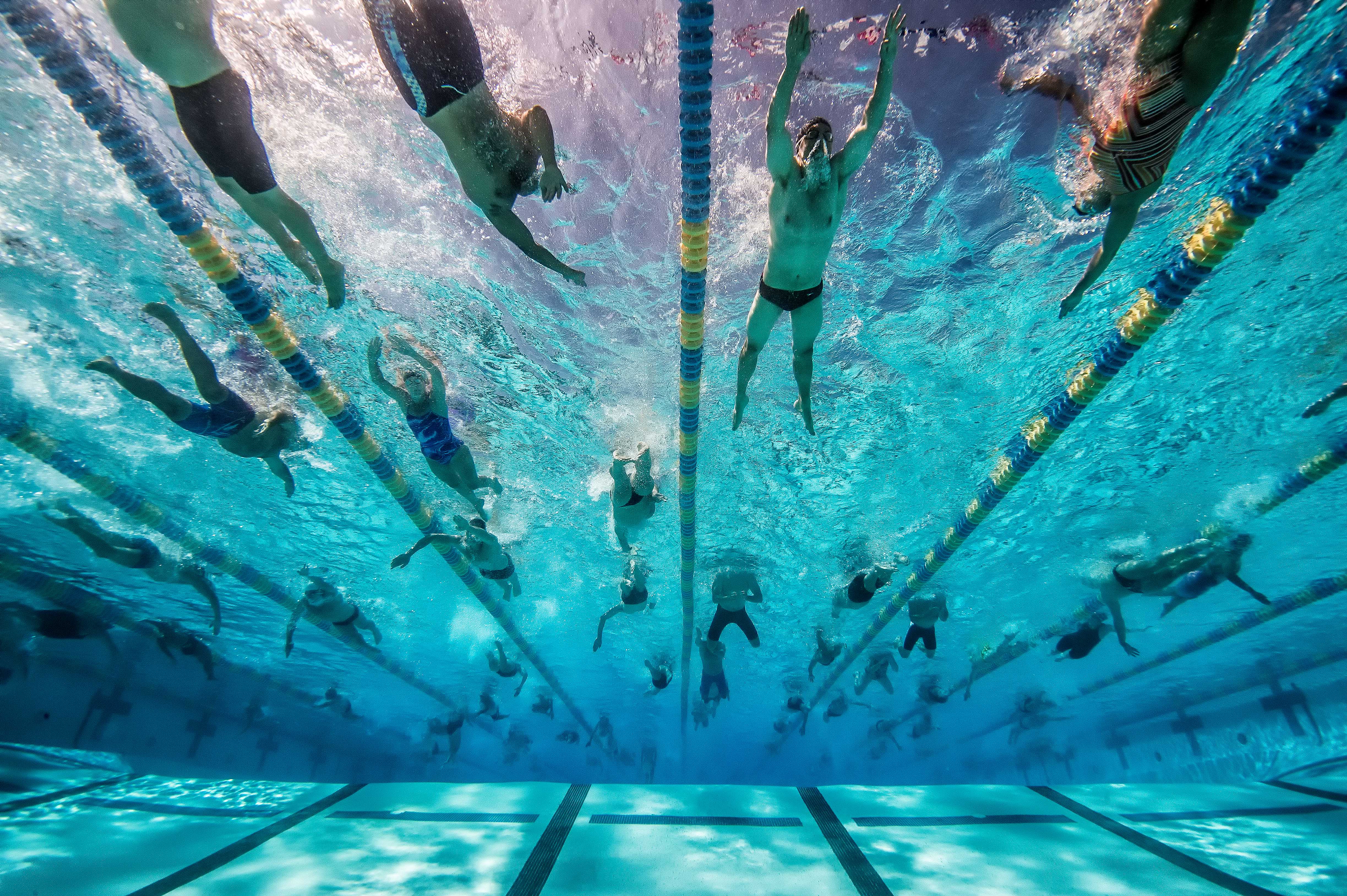
There are certain aspects of a swimmer’s body that have negative effects for athletes on land. Competitive swimming can lead to poor posture, hyperextension, inability to absorb shock, loose ankles, and over or under-developed muscle groups. Check out this article to learn more about the five most common idiosyncrasies aquatic athletes face. Strength and dryland training for swimmers can mitigate the negative effects of these issues.
Read More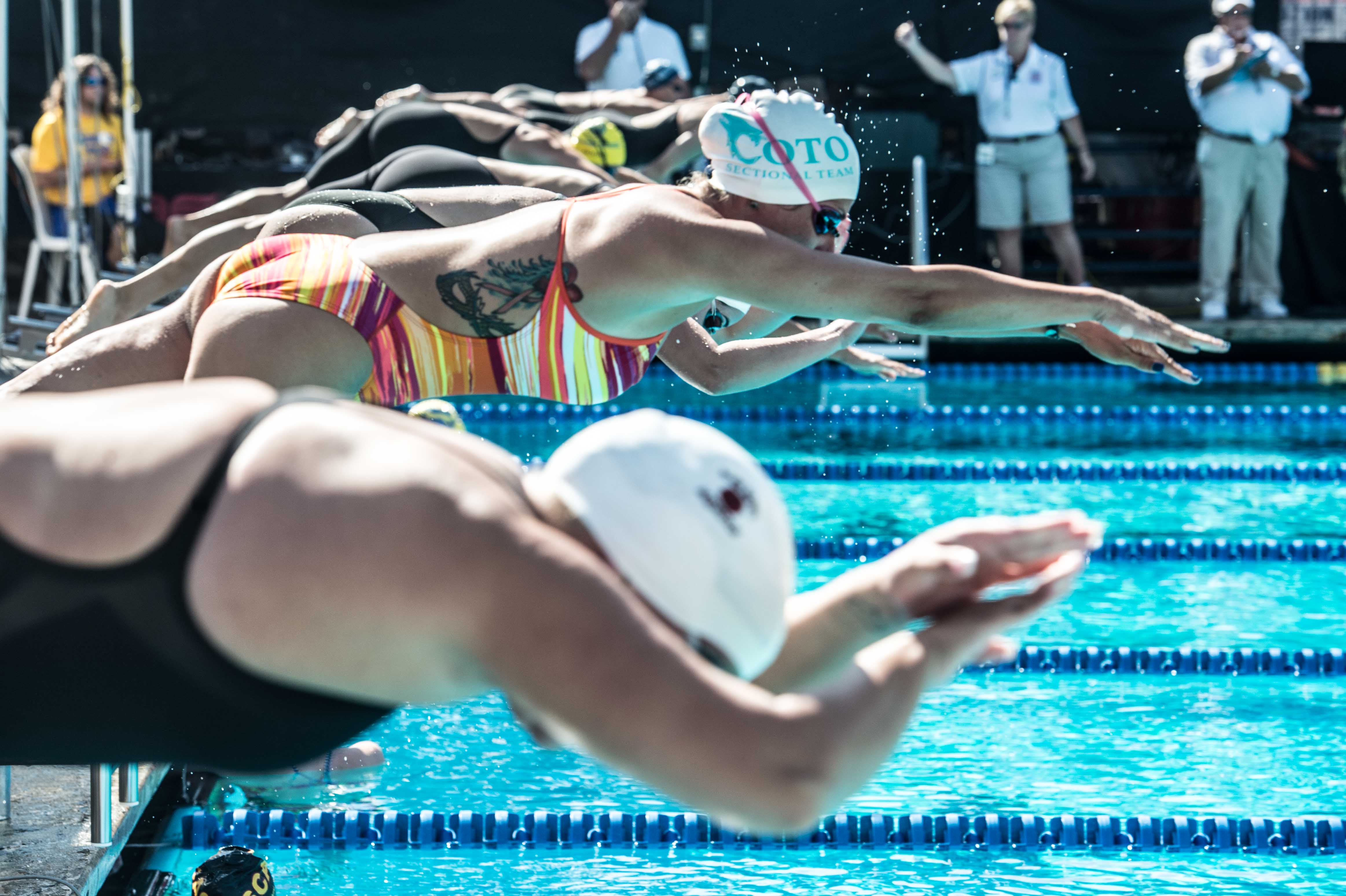
Competitive swimming is compatible with a wide variety of body types. There are, however, certain characteristics of a swimmer’s body that are common to most athletes in the sport. How different muscle groups over or under-develop in response to swimming can have a dramatic impact on how well the athlete moves on land. This article defines the five most common idiosyncrasies aquatic athletes face. To learn how to prepare for championship swimming season check out this article.
Read More
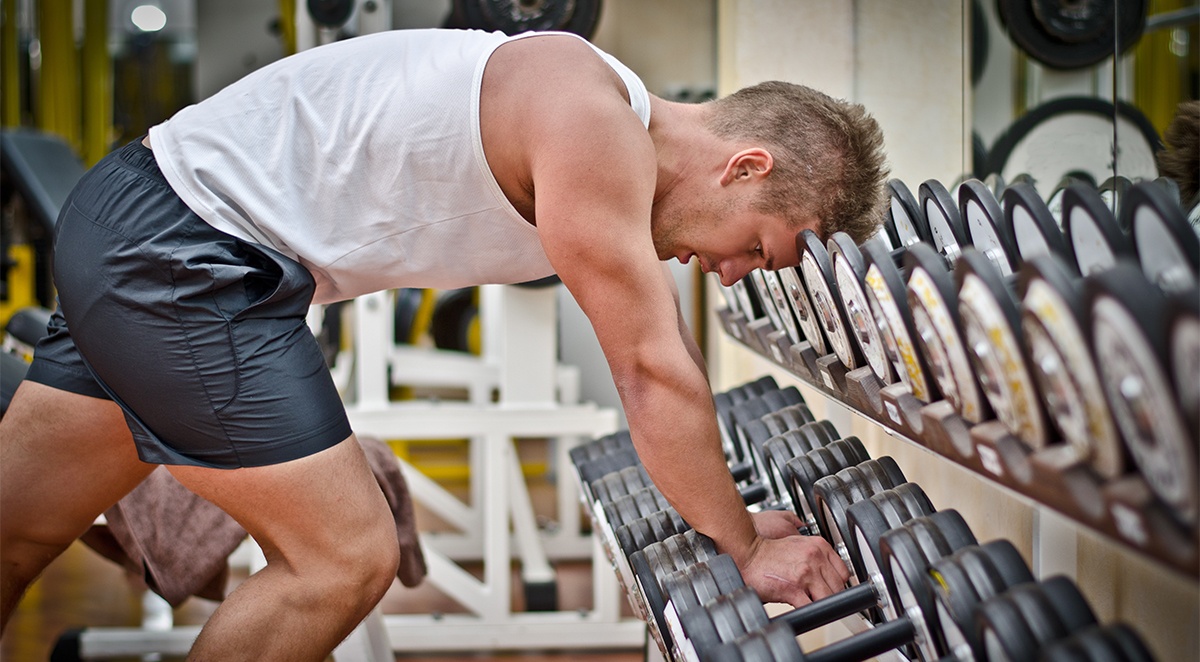
When elite athletes are faced with a tough workout or practice they often times have to dig deep and find the strength to finish it, no matter what it takes. It is not uncommon for athletes to experience this feeling on a semi-regular basis. But what is happening in these instances to make their muscles feel like they are about to give out? It’s the process of peripheral fatigue.
Read More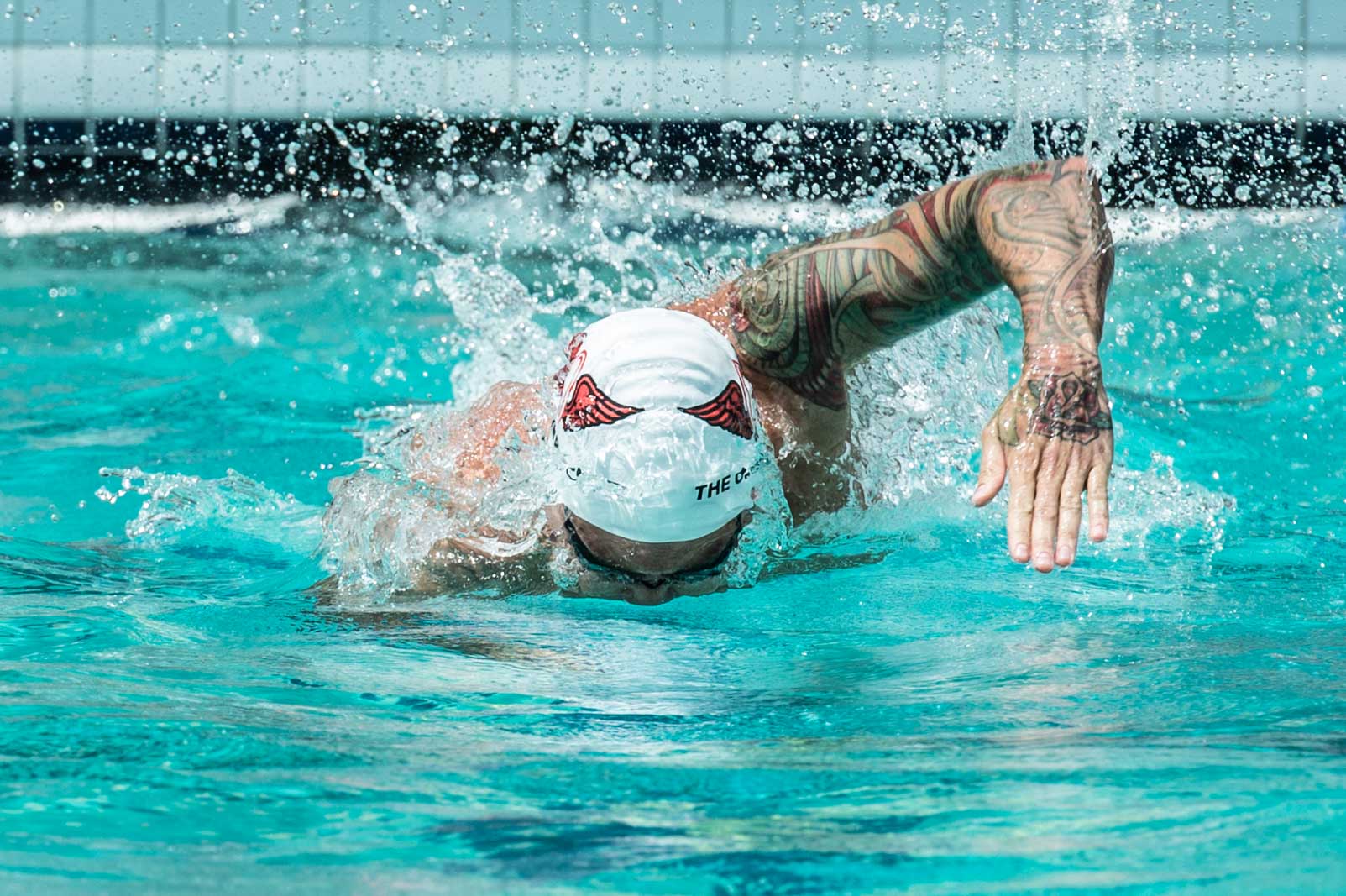
Aquatic sports tend to be categorized as unique in both their training methods and physiological demands on the athlete. Swimming, for example, places athletes in a buoyant environment that greatly affects their body awareness. Coordination in the water and coordination on land are incredibly different skills that require different training methods to develop. How, then, can swimming training benefit the football, baseball, or soccer player? Here are four key reasons why swimming can benefit land-based athletes:
Read More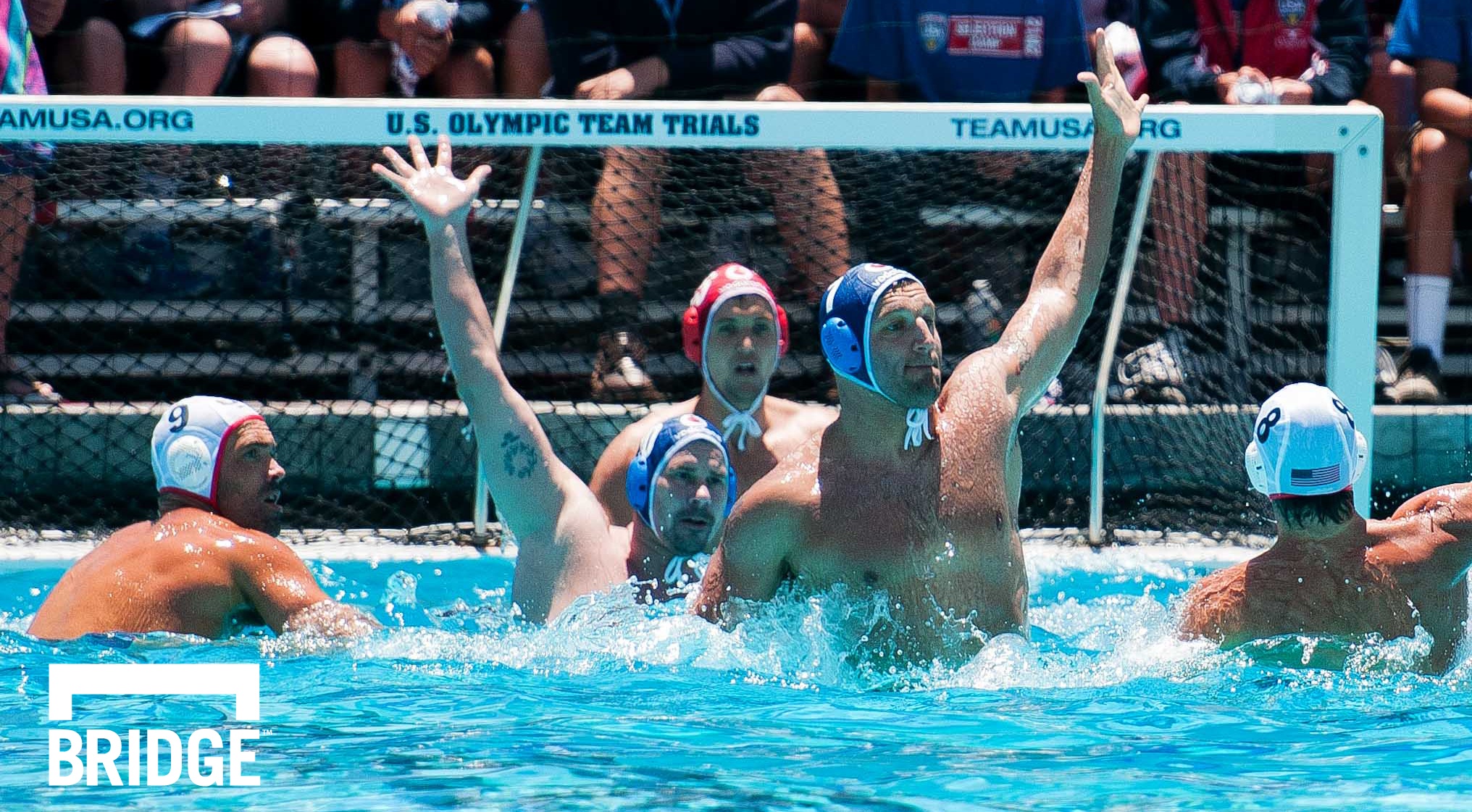
The BridgeAthletic Building Block Series is a set of 5 exercises that can be performed by water polo players of all levels on the pool deck.
Read More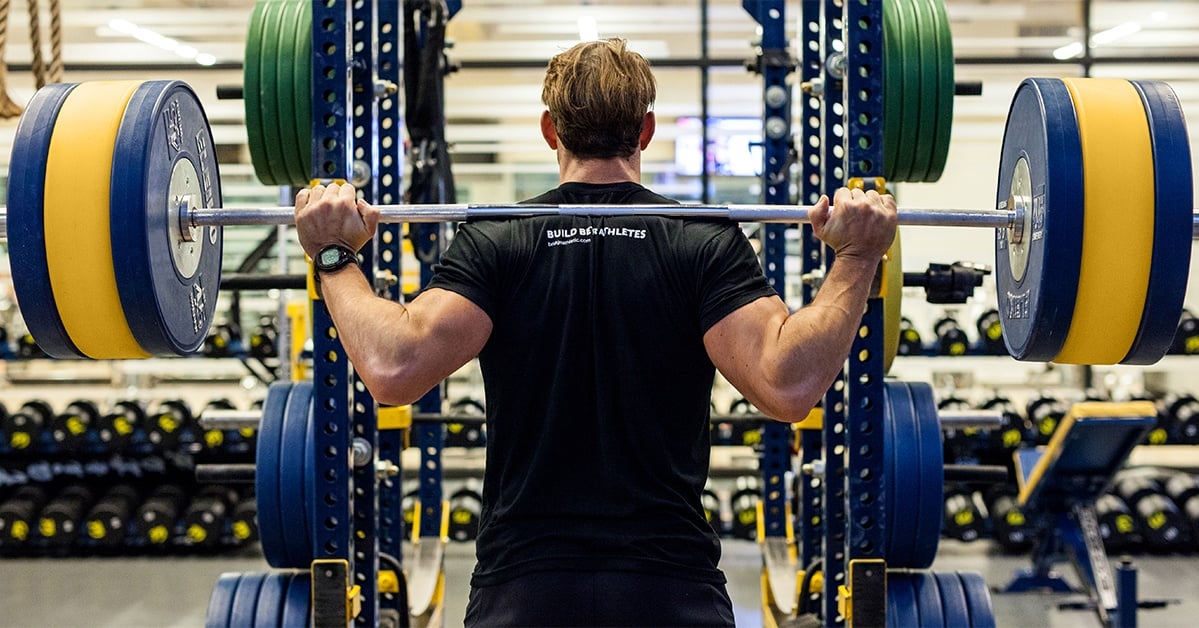
Strength training is shown to provide many benefits for elite athletes including, but not limited to: increased muscle endurance, hypertrophy and increased muscular strength. The specifics of a strength program are extremely important to monitor. In addition to the already well researched and stressed details of repetition in numbers and weight load, rest intervals can help you reach your specific strength training goals.
Read More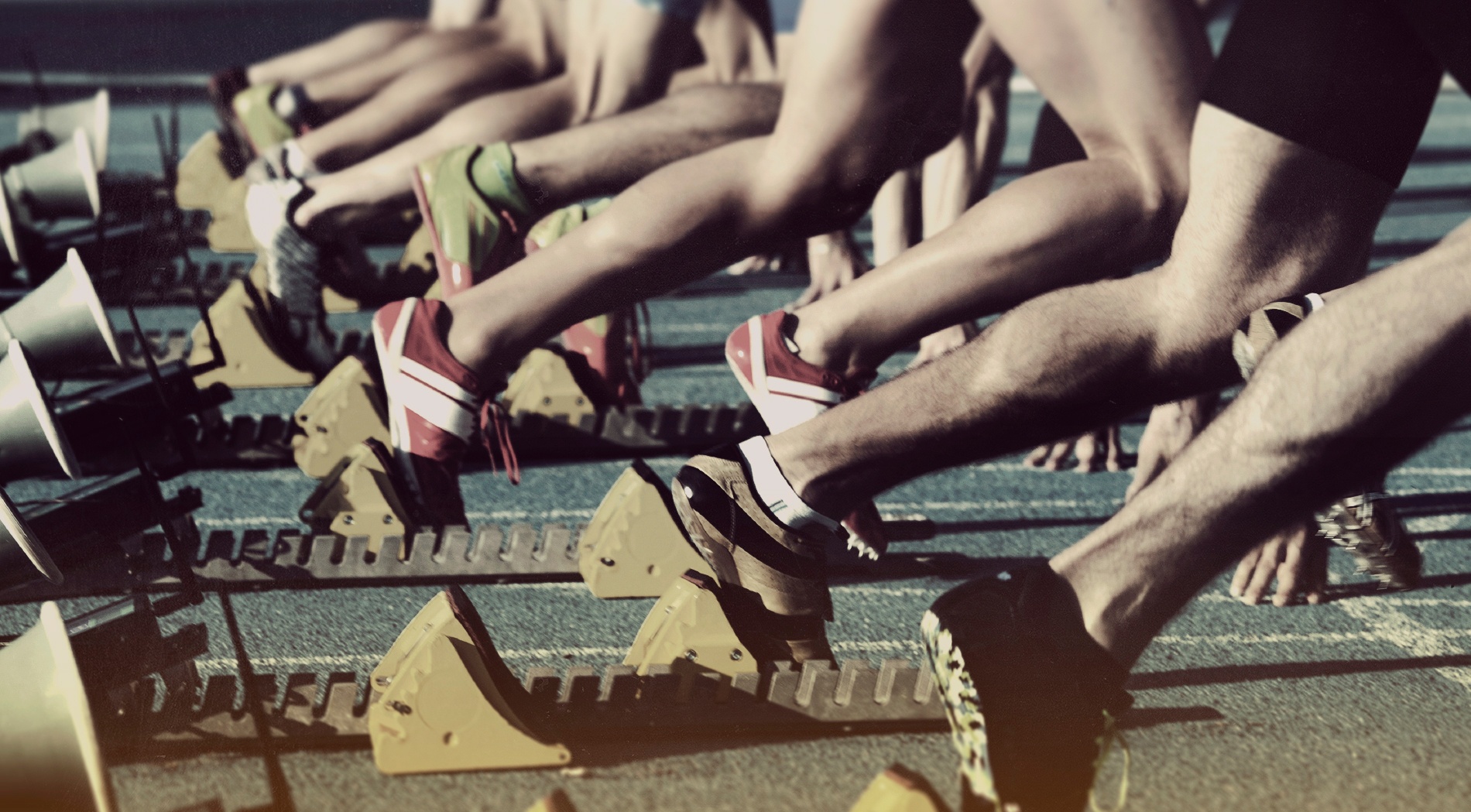
What happens in an elite training program as athletes move into the thick of their competition season? In short, it depends on the sport. From the golf swing to the first 15 yards of a sprint, explosiveness and acceleration are traits that can be perfected with proper training. Once athletes have a basic technical skill set, then they can begin to build strength and power.
Read More
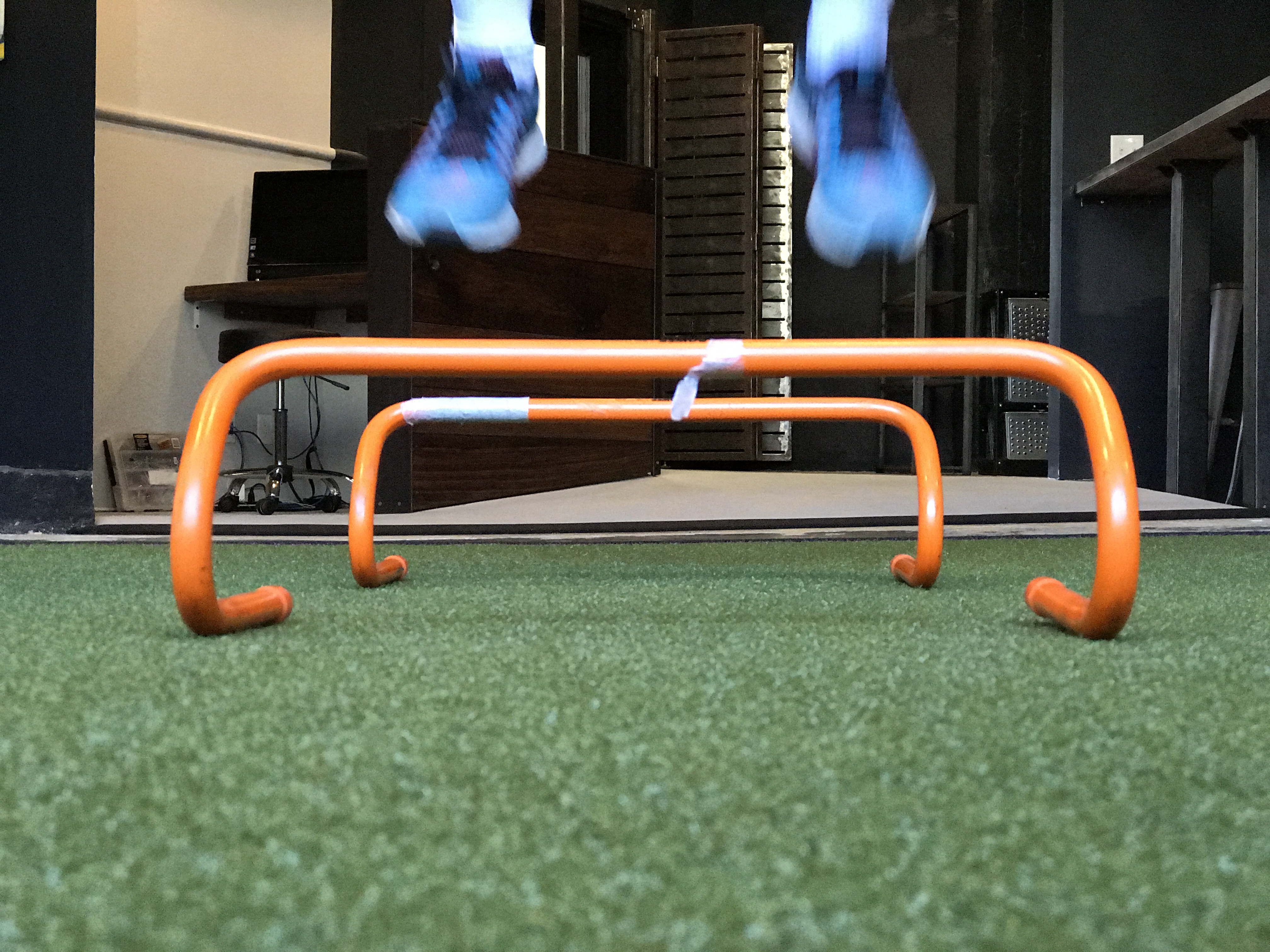
Speed and agility skills are important for soccer players to learn in order to improve their multi-directional speed. With or without the ball, the main goal of increasing a player’s quickness is to maximize performance and react faster than an opponent. Introducing agility basics early allows players to establish a solid set of techniques before increasing the complexity of the drills down the road. There are many soccer-specific progression drills that players can do to increase their quickness on the field and reduce the risk of injury.
Read More