
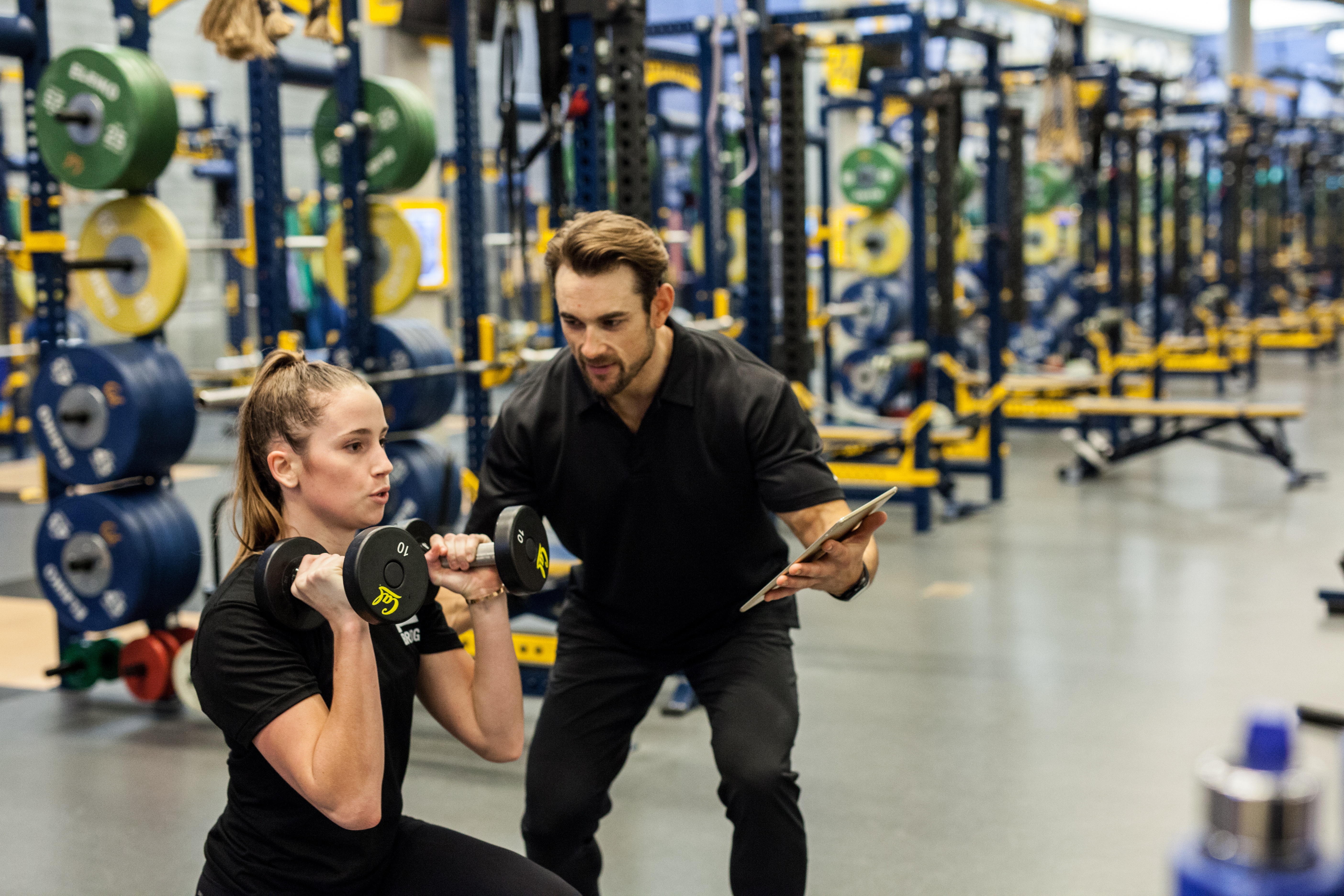
Volleyball players spend extensive hours training and practicing in the off-season to prepare for in-season competition. Volleyball-specific strength training will help athletes set realistic goals and build their skills for the upcoming season. Below are tips to better optimize preseason training and in-season performance.
Read More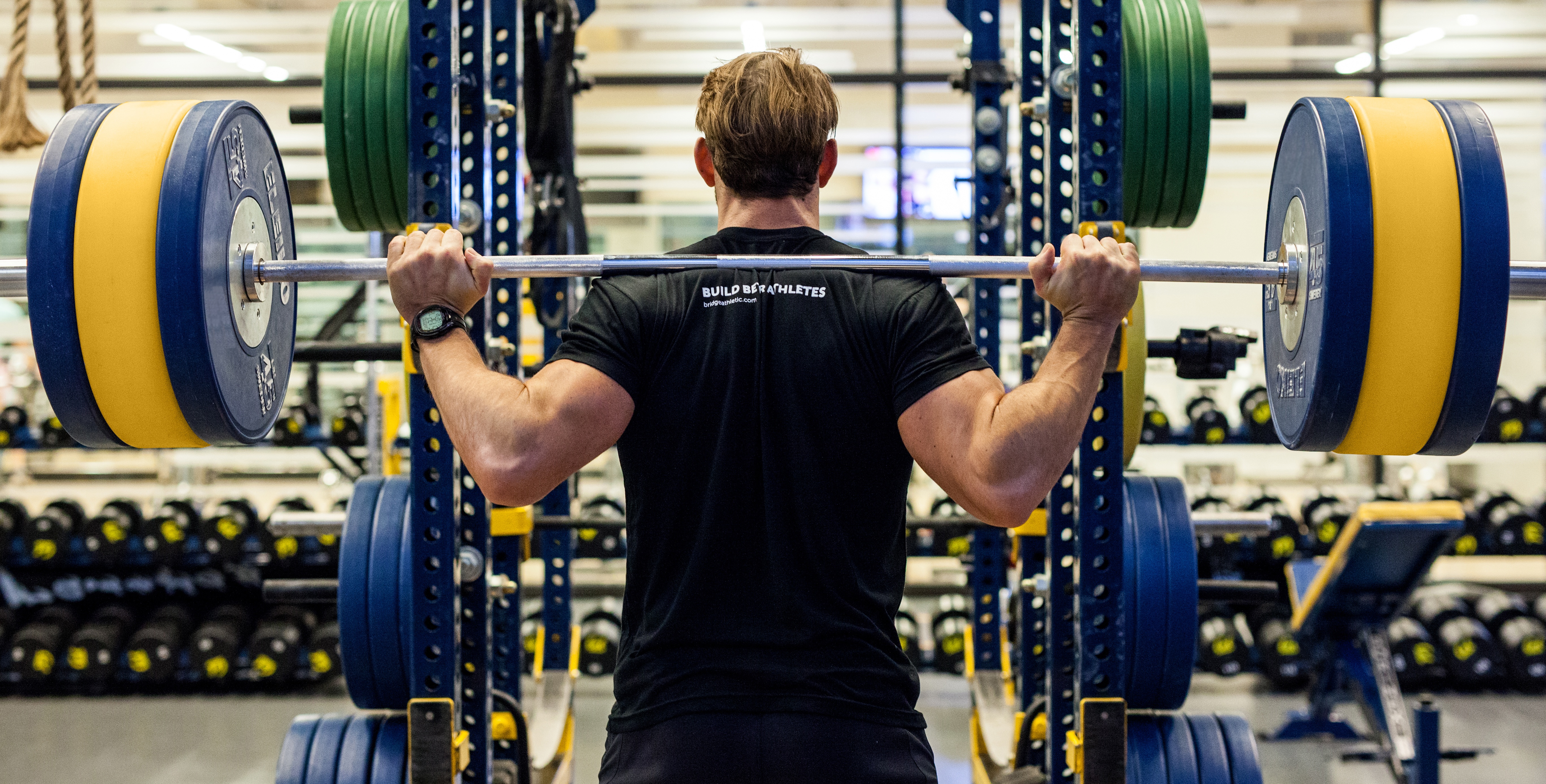
Delivering an individualized strength and conditioning program to each member of a team used to be difficult. Often, we found ourselves calculating percentages based on each athlete’s 1 rep max equivalent (%1RME) and then creating unique lifting cards, containing each individual’s weight prescriptions. However, strength training software and the BridgeAthletic builder does away with these calculations. Simply choose to prescribe weight based on %1RME and deliver your workout to every athlete at once, allowing each value to automatically calculate, based on the percentages assigned. No more mistyped Excel formulas. Spend your time on the floor, not the computer.
Read More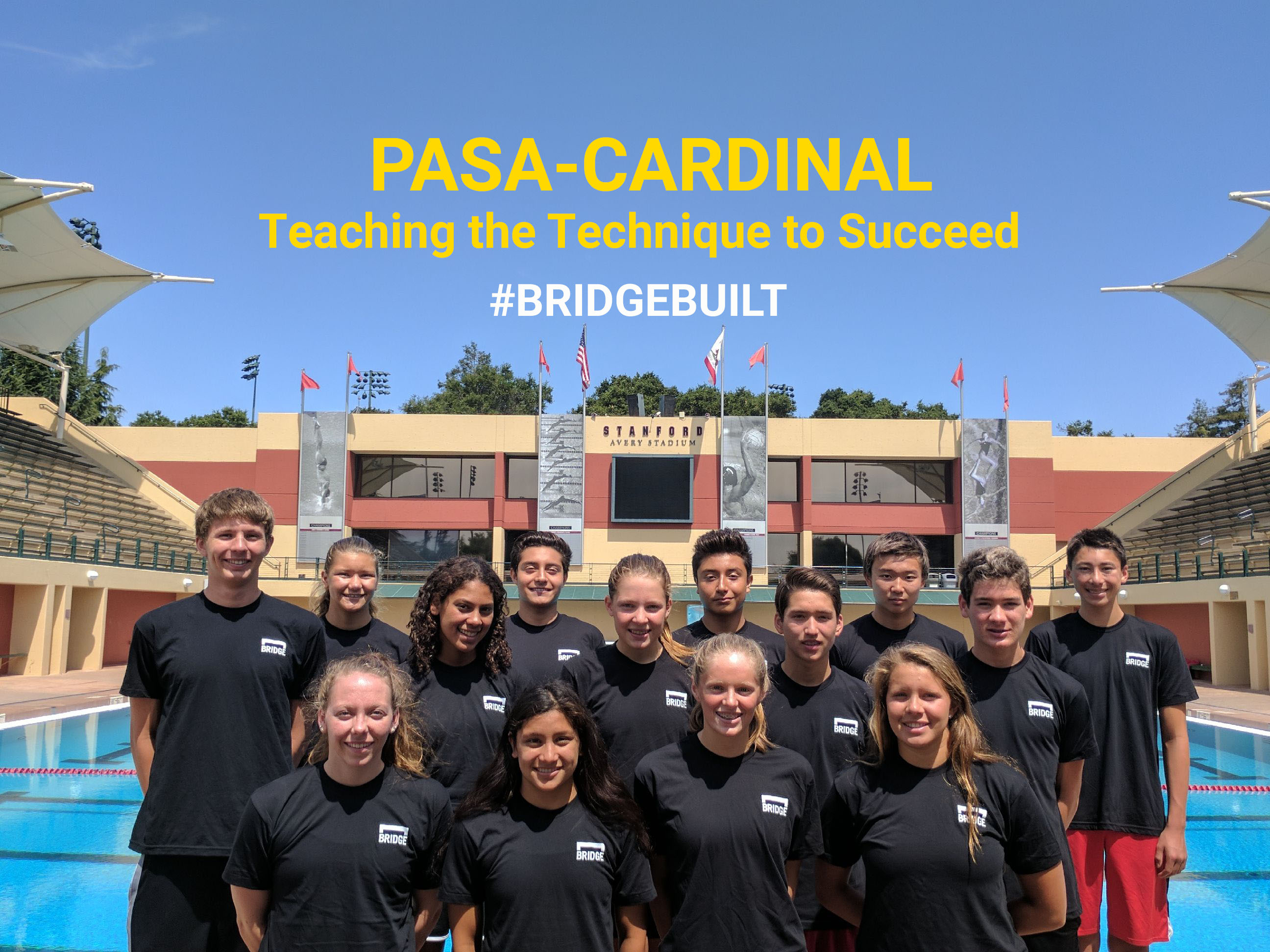
Every day at BridgeAthletic headquarters, we hear tales from coaches and athletes across sports of how the Bridge platform has helped them - by making the coaches more efficient, the department more connected, or the athletes' development more accessible than ever. These are stories of championships, obstacles overcome, and goals achieved. It’s what keeps us doing what we do every day, striving to build better athletes across sports and around the world. Featured here in our #BridgeBuiltSeries is swim club, PASA-Cardinal. Read on to see how Joey Sementelli and his athletes leverage the BridgeAthletic swim programs and platform to become smarter, faster and stronger!
Read More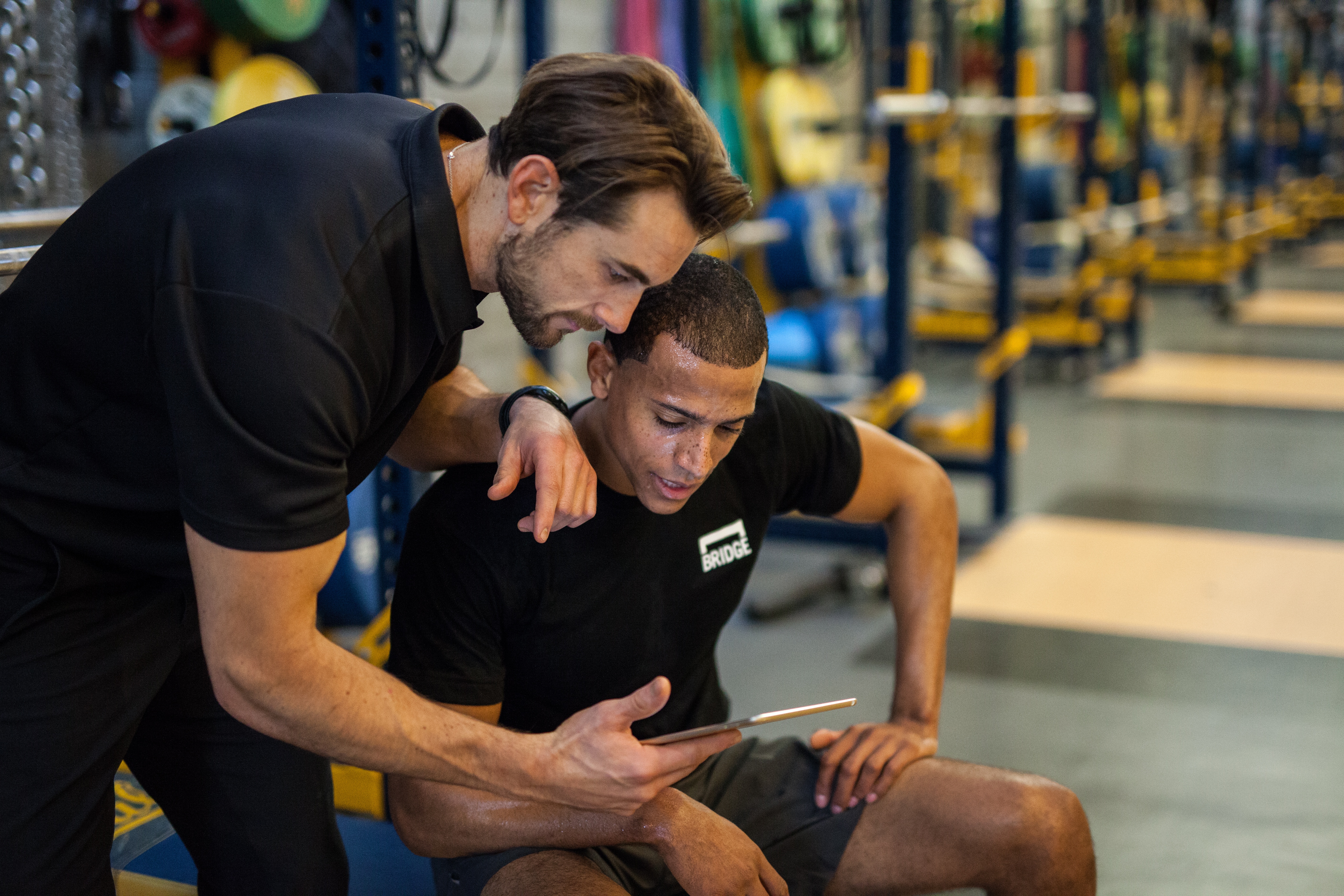
Communicating with your team can be a challenge. Accounting for last minute scheduling conflicts, relaying workout descriptions in the off season, and generally keeping track of a high volume of athletes can be a challenge. That’s why we’ve created software for strength coaches and the Team Stream feature to help streamline all communication with your individual athletes as well as the different parts of your department, from sports coaches to trainers. While this simple messaging system can significantly impact your athletes’ engagement and your tracking of their success, BridgeAthletic’s communication features also enable the rest of your training staff to collaborate more effectively.
Read More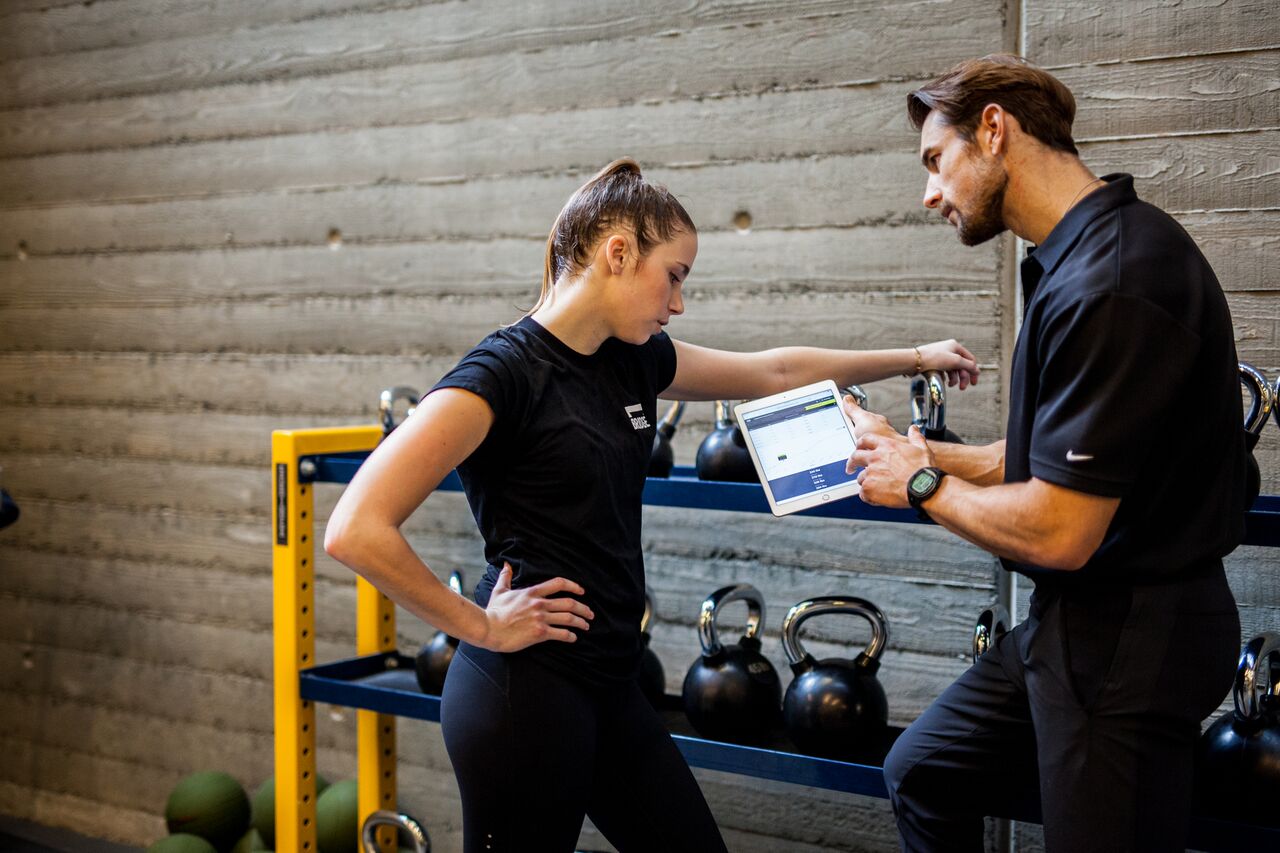
Testing your athletes is crucial to measuring the success of your strength and conditioning program. While it can be time consuming and difficult to collect data and analyze your team's stats, the BridgeAthletic software for strength coaches allows you to compile, organize, track, and examine your athlete's tests against each other and over time.
Read More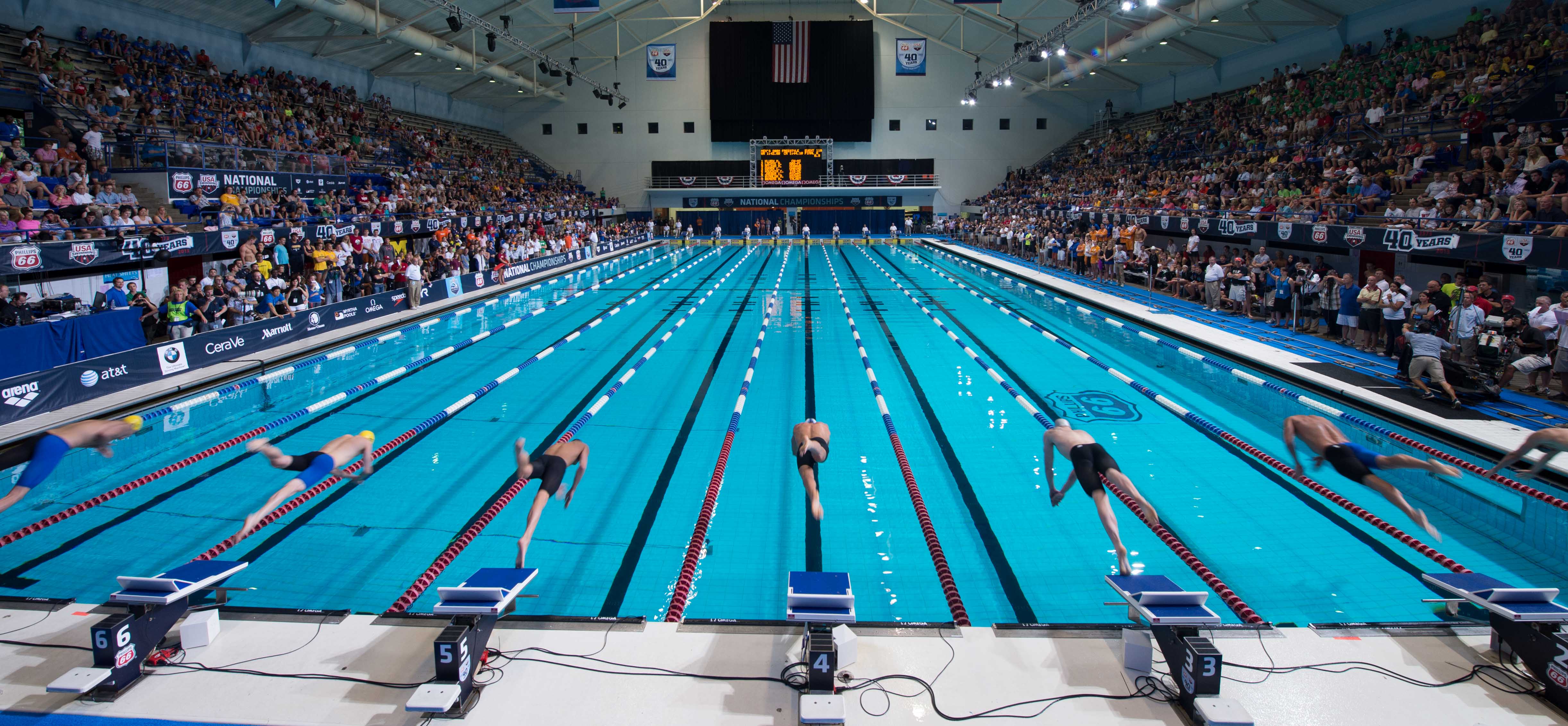
Ask active young athletes who they look up to and good chance you’ll get the name of an Olympian, professional athlete, or perhaps the next rising star in their sport. Many aspire to achieve elite status, or a future collegiate or professional career in a specific sport. This can lead to an excessive amount of pressure by the athlete, coaches, parents, and teammates to pick a sport to specialize in early and put in hours of training year-round. Is this the only way to achieve the skill and experience to make it to the top? What are the downsides of this? This sports science article will provide some background on sports specialization, discuss the risks of early sports specialization, how early versus late influences performance, and, finally, provide some recommendations to coaches, athletes, and parents on training.
Read More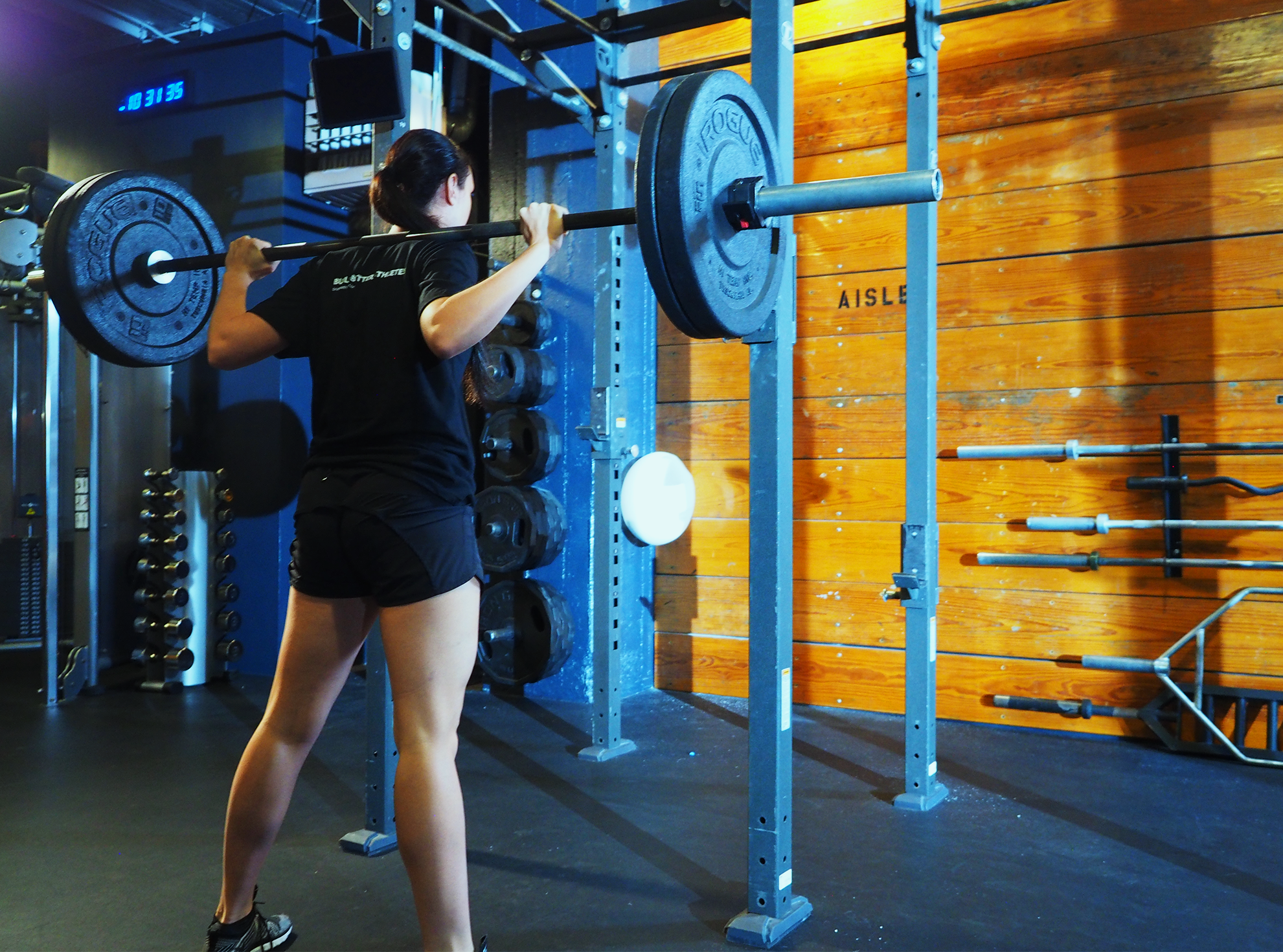
Success on the court comes from hard work in the weight room. A volleyball-specific strength and conditioning program can optimize a player’s performance, reduce the risk of injury, and lead to quicker recovery. Here’s a six-step guide on how to build a successful volleyball strength and conditioning program:
Read More
Soccer players spend the entire summer preparing for their dreaded preseason fitness test. Ranging from the infamous beep-test to a strenuous timed run, most soccer teams require their athletes to complete a fitness test at the beginning of preseason. It is the first chance an athlete has to make a good impression and will set the bar for the rest of the season.
Read More
A volleyball-specific strength and conditioning program can optimize a player’s performance on the court. Whether athletes are still developing or competing at the highest level, spending time in the weight room building a strength foundation can be the difference between winning and losing a game. Here are three key reasons why volleyball coaches should incorporate strength training in their program:
Read More