
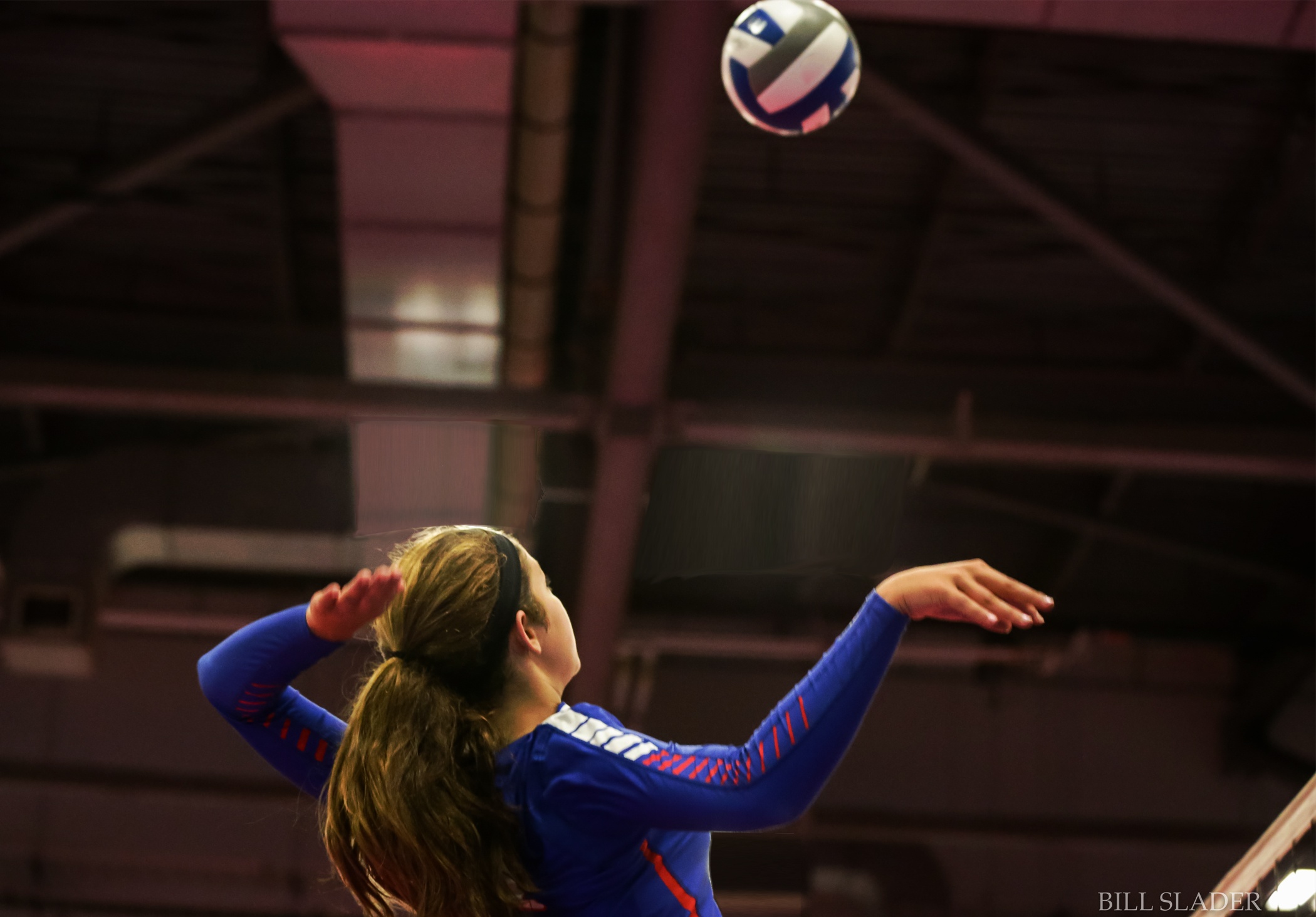
BridgeAthletic's Building Block Series is a set of 5 exercises that can be performed by volleyball players of all levels with limited equipment needed. Coaches can incorporate this volleyball-specific power circuit into programs in between drills.
Read More

The season is just around the corner, but the winter weather hasn’t lightened up. During these dry, cold weather months, your training, recovery and game performance are affected by both mental and physical challenges. Try these tips to be ready to perform at the highest level even in the lowest temperatures.
Read More
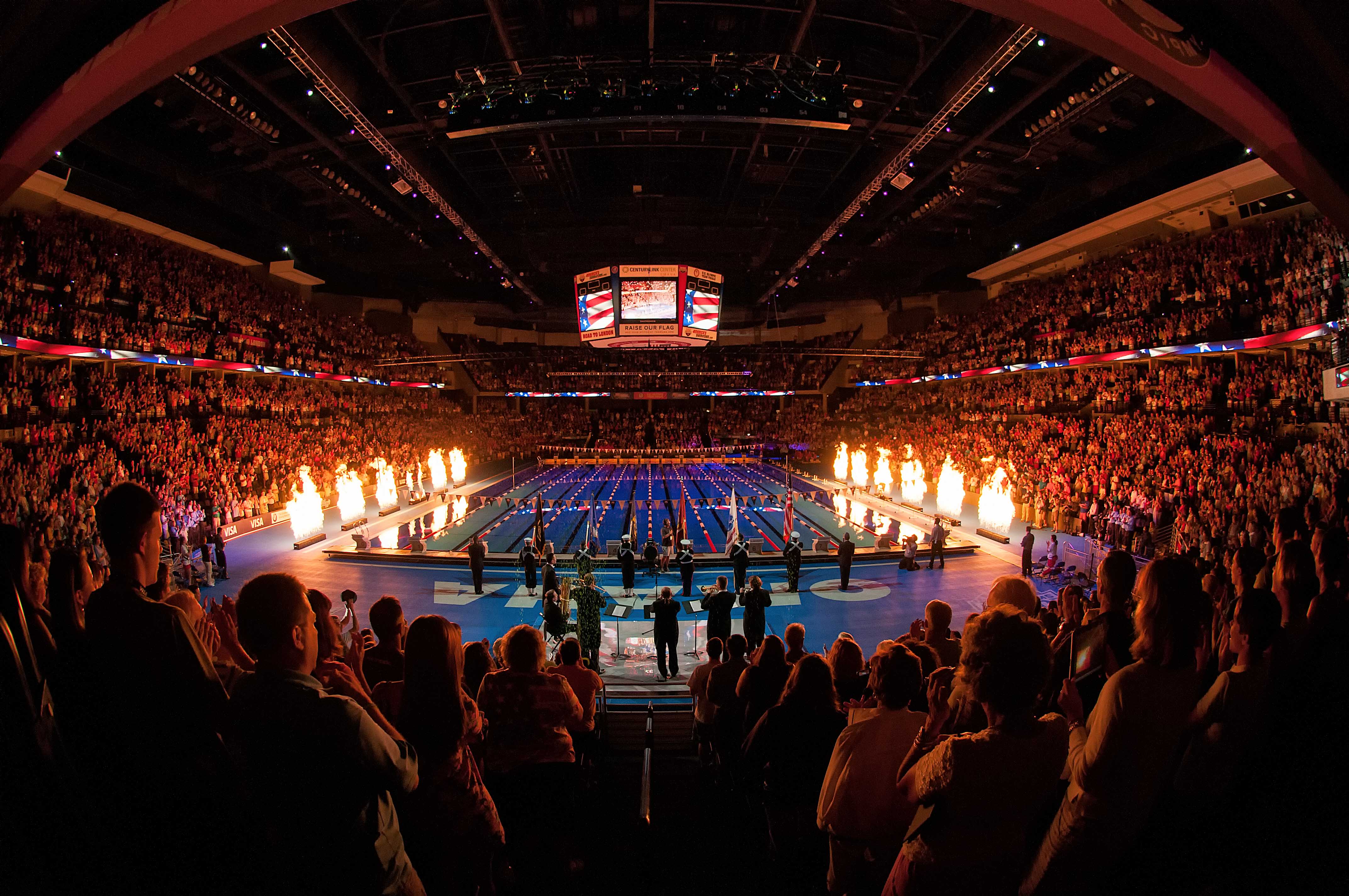

January 1st inspires many athletes to dream big and set goals for the upcoming year. This symbolic “fresh start” gives many the opportunity to reflect on last year’s performance while looking toward the future. In this post, we explore the different types of goals and their effectiveness, as well as provide a few goal-setting tips to help you reach your full potential in the new year.
Read More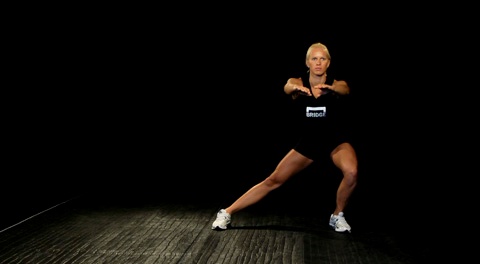
Whether you’re looking for ways to help your athletes improve their performance or reduce injury, a full dynamic warmup before competitions and training sessions is a simple way to start. It can be easy to skip this key step at the beginning of every practice because it takes time and sometimes seems less relevant to the rest of the training program. However, warming up can play a key role in priming the body for quicker reactions and giving joints a wider range of motion. JP Reggiardo, BridgeAthletic's volleyball expert, has spent 17 years in strength coaching, and 12 of which was working with volleyball athletes at the collegiate level. JP has put together a suggested dynamic warmup routine for players and clubs to implement to maximize performance on the court.
Read More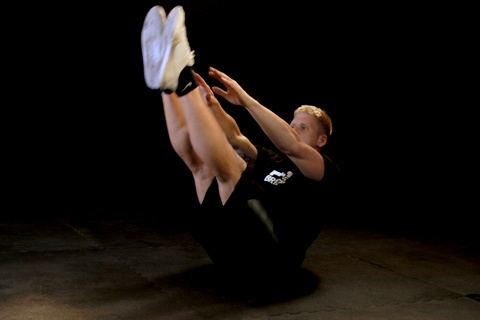
Welcome the backstroke installment of the swim building blocks! Here we dive into the strength training tips that can fine-tune your stroke. Backstrokers can use stroke specific exercises to harness more power in their catch and greater efficiency in their hip rotation. Underwaters are a large component of every backstroke race, so we’ll focus some exercises on leg strength too. Let’s jump into a few training tips you can begin using now.
Read More
Welcome to the freestyle installment of our BridgeAthletic swim building blocks. While every swimmer pumps out countless yards of freestyle, those who compete in freestyle events the most require stroke specific exercises. Sprinters and distance freestylers may have different tempos, distance per stroke, and breathing patterns, but the basic biomechanics of their stroke remains the same. Incorporate the following exercises into your dryland training to harness more power in your freestyle.
Read More
Outside the practice field, the weight room is a second home for football players. Strength training plays a significant role in the development of a football team. A successful strength and conditioning program can be the defining factor for harnessing raw young talent into true athleticism. In a sport that demands a capacity for both agility and power, a dynamic training plan to accommodate athletes’ needs should be well documented to track athletic development within multiple growth areas.
Read More
Okay, so you’ve fully acclimated yourself to the heat and mastered your hydration plan. You’re almost ready to take on the blisteringly hot, swelteringly humid conditions of competition. A discussion on heat training would not be complete without addressing cooling methods and early identification of exertional heat-related illness.
Read More