
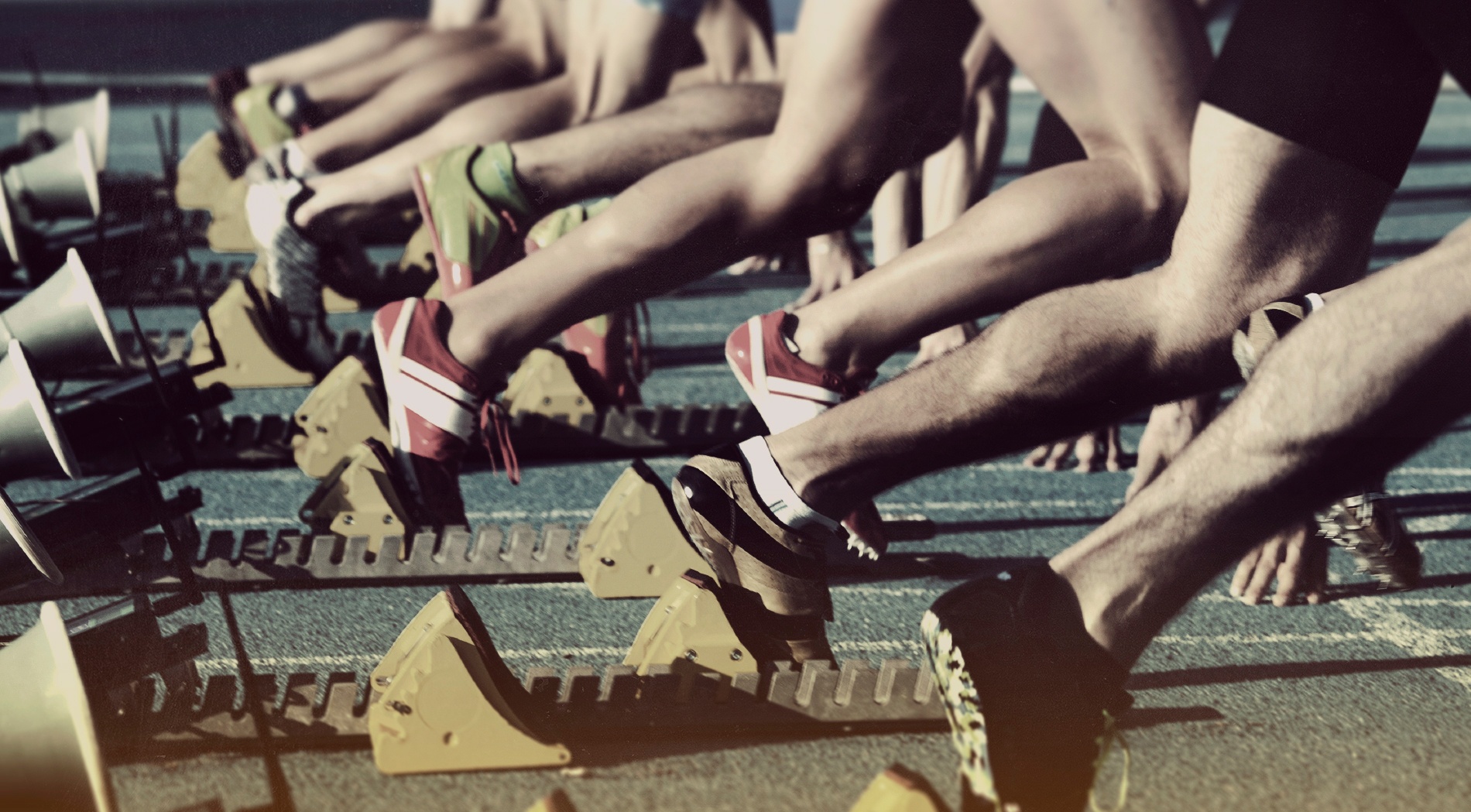
What happens in an elite training program as athletes move into the thick of their competition season? In short, it depends on the sport. From the golf swing to the first 15 yards of a sprint, explosiveness and acceleration are traits that can be perfected with proper training. Once athletes have a basic technical skill set, then they can begin to build strength and power.
Read More
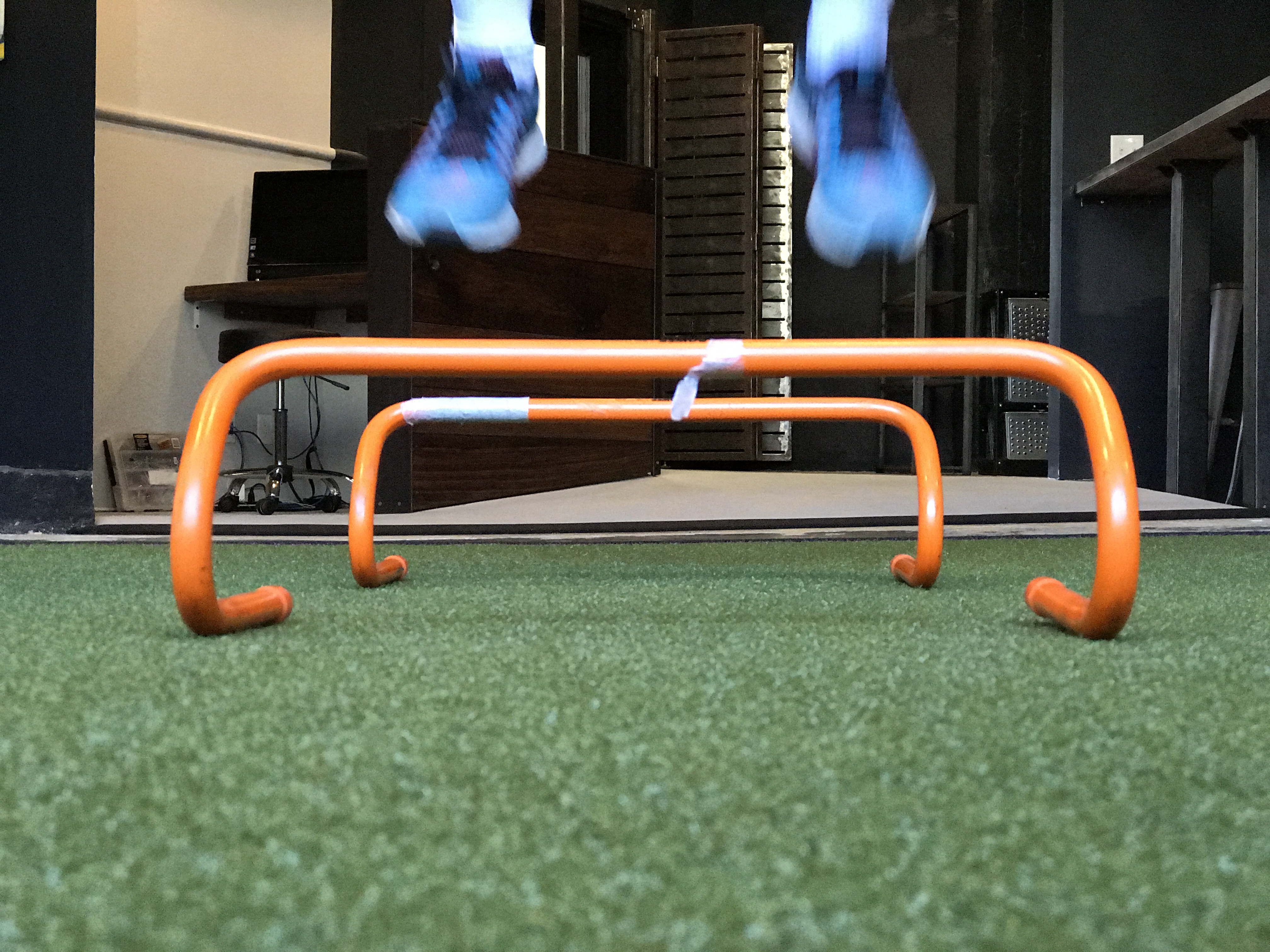
Speed and agility skills are important for soccer players to learn in order to improve their multi-directional speed. With or without the ball, the main goal of increasing a player’s quickness is to maximize performance and react faster than an opponent. Introducing agility basics early allows players to establish a solid set of techniques before increasing the complexity of the drills down the road. There are many soccer-specific progression drills that players can do to increase their quickness on the field and reduce the risk of injury.
Read More
Elite coach and BridgeAthletic’s co-founder, Nick Folker, joined HMMR for a podcast episode discussing how coaches can leverage strength and conditioning technology to be better at their jobs. Technology is a controversial topic in sports training and is oftentimes frowned upon by coaches in the weight room or on the field. Nick talks about these common misconceptions, benefits of incorporating technology, and the future of sports and technology in strength and conditioning programs. Here is the HMMR episode and a recap of the discussion.
Read More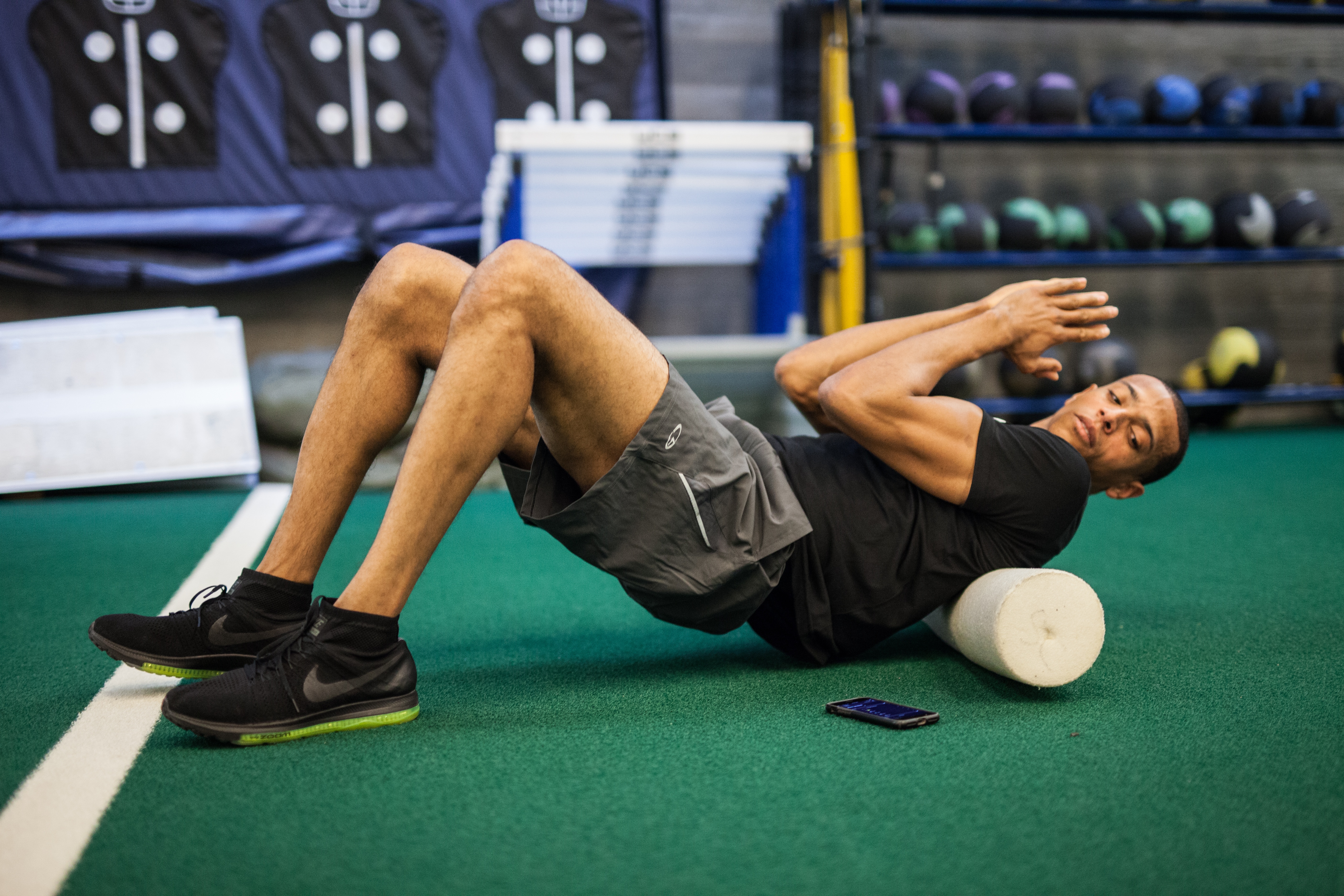
Delayed onset muscle soreness (DOMS) is common for all athletes and is caused after performing high-intensity unaccustomed exercises. More specifically, it is due to the high intensity eccentric (lengthening) contractions during these exercises. Eccentric contractions in unprepared muscles can cause micro traumas to the muscle that result in soreness. DOMS tend to concentrate at muscle-tendon junctions due to the high concentration of muscle pain receptors at these myotendinous junctions. An athlete's body responds to this damaged muscle tissue by swelling and causing muscles to feel tender.
Read More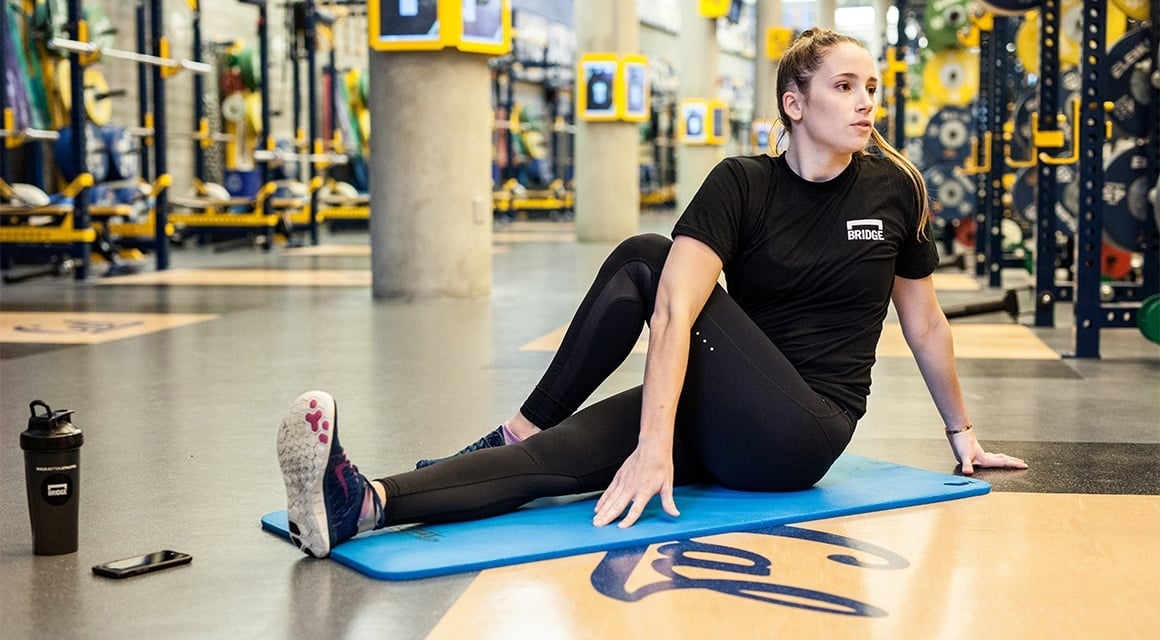
Recovery is an important process to implement in training programs for athletes at all levels in order to prevent injury, reduce fatigue, and enhance athletic performance. Immediately after a practice or competition, athletes should actively cool-down and recover using certain methods. All recovery techniques are valuable for athletes at any level, however there are some unique methods that should be emphasized at the collegiate level. Intense college training demands more specific recovery methods. As athletes shift from high school to college, heavy weight training becomes a top priority to enhance athletic performance. Athlete recovery at this stage should focus on repairing muscles.
Read More
Muscle soreness is a familiar and dreaded companion for competitive athletes in training. Ice baths, also known as cold water immersion or cold water therapy, can be an effective recovery method to flush out lactic acid, diminish muscle soreness, and leave athletes feeling fresh for their next training session. This recovery method is common amongst collegiate and professional athletes across a variety of sports.
Read More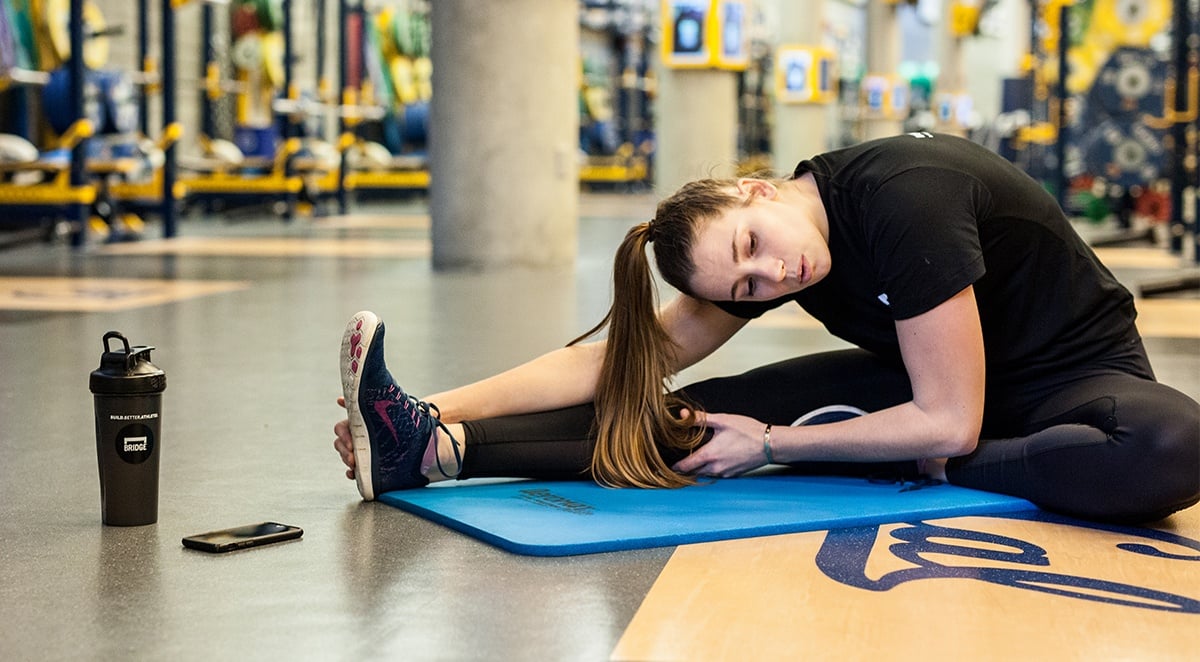
Athletes are regularly pushing their body to the limit with intense training and competition. After practice athletes must re-fuel their body and incorporate a variety of recovery methods. Below is a list of five specific recovery tips that athletes can do in their daily routine that will help accelerate recovery and enhance athletic training.
Read More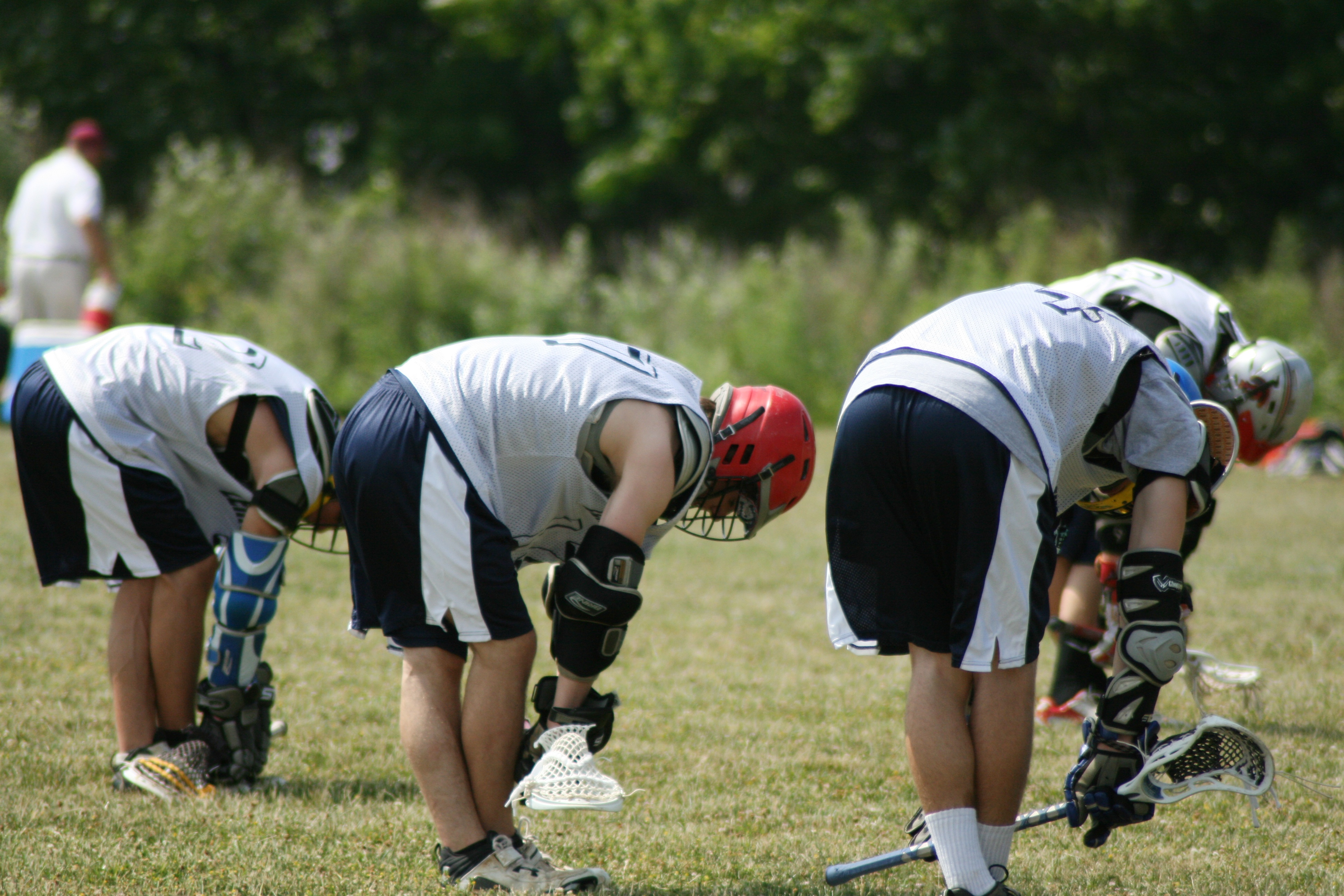
Recovery is an important process to implement in training programs for athletes at all levels in order to prevent injury, reduce fatigue, and enhance athletic performance. Immediately after a practice or competition, athletes should actively cool-down and recover using certain methods. All recovery techniques are valuable for athletes at any level, however there are some unique methods that should be emphasized at the youth level.
Read More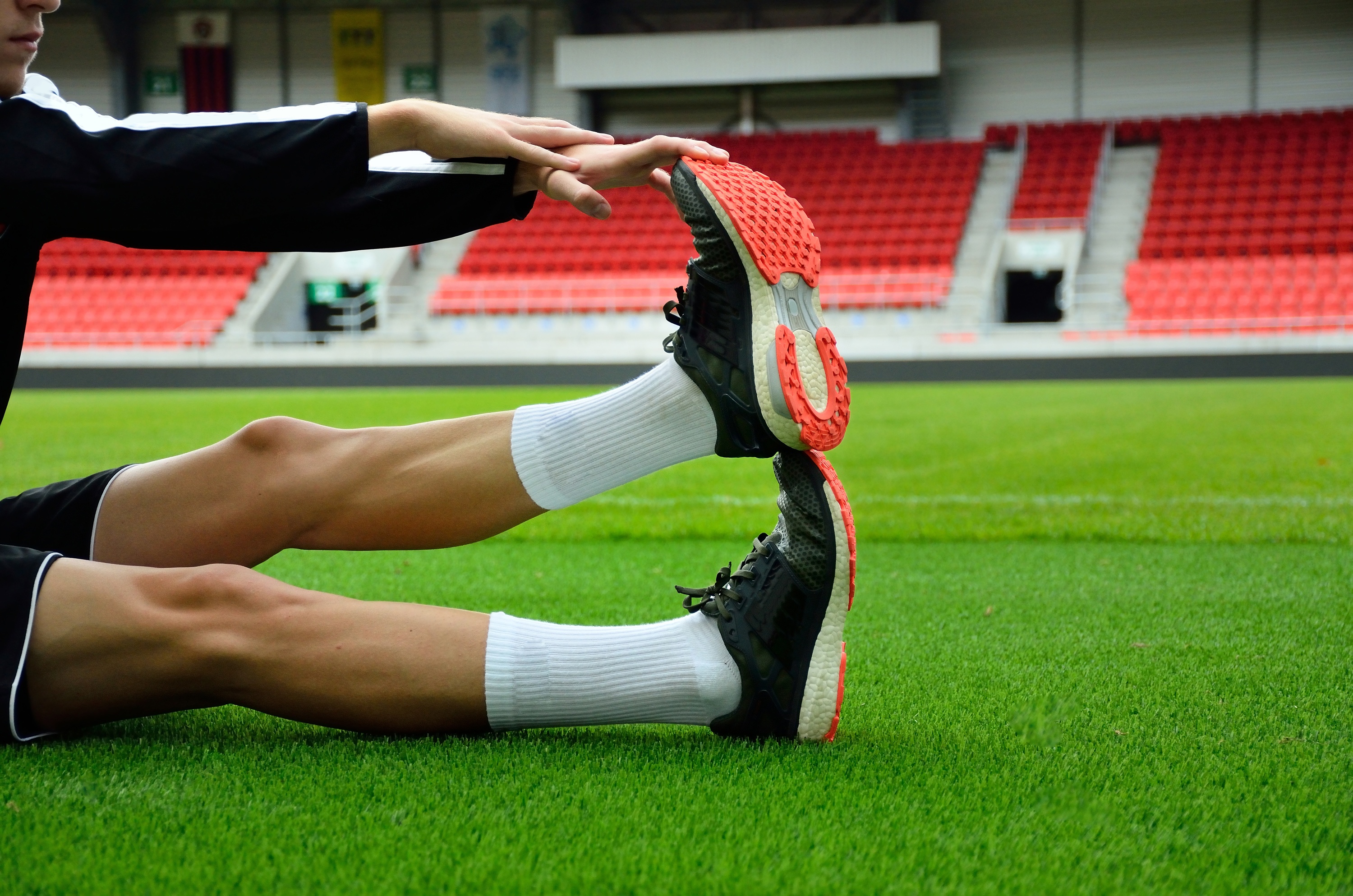
Recovery is an important process to implement in training programs for athletes at all levels in order to prevent injury, reduce fatigue, and enhance athletic performance. Immediately after a practice or competition, athletes should actively cool-down and recover using certain methods. All recovery techniques are valuable for athletes at any level, however there are some unique methods that should be emphasized at the professional level.
Read More