
You’ve seen the gadgets: you go to the gym and someone is wearing a cool digital watch, until you realize it’s much more than that. You walk into any athletic retail store and alongside the running shoes and sportswear they now showcase a bit of technology that can track your training, sleep, and much more all by wearing a band around your wrist. In this week’s discussion I will outline three of the major brands of training trackers so you can make the choice right for you.
Read More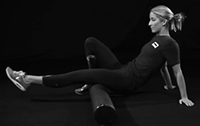
Welcome to the second installation of our four-part travel training series. This episode is designed specifically for the layover portion of your airline travel. In this video, we will cover five foam rolling exercises that will help you work out some of the kinks from your flight. I have chosen the following combinations to target the areas of your body most impacted from sitting in a compact airline seat for an extended period of time.
Read More
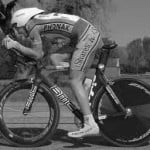
Compression wear has greatly increased in popularity in the athletic community over the past few years. From swimmers wearing them between trials and finals at a big meet, to triathletes and runners wearing them in competition, these sometimes neon colored sleeves/tights are hard to miss. But do these skin-tight garments actually improve performance? There are numerous studies on the issue providing slightly different results. But first off, what’s the draw?
Read More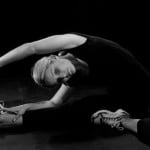
This video is the first in the 4-part Bridge Travel-Training Series. Included are 5 stretches that I like to include in a pre-travel routine to prep the body for the journey ahead. Remember, these are just a few examples from the overall routine that I have found to help combat the travel blues.

Bridge coaches & athletes: competition travel and the holiday season are once again upon us. We are, therefore, shifting our focus in the Weekly Video series from breaking down exercises to offering suggestions for you on how to overcome the rigors of travel. Happy Holidays and good luck from all of us at Bridge.
Read More
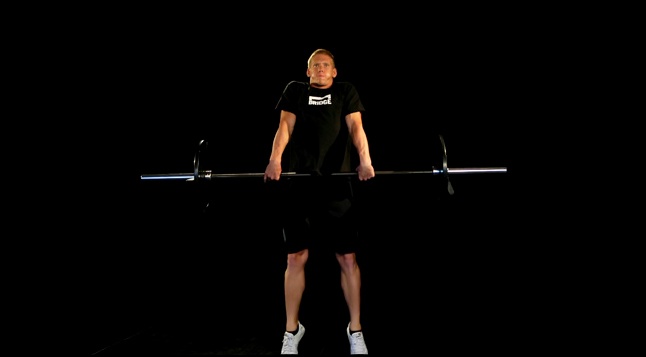
The Power Clean Pull is the first pull exercise in the power series. Following the Dumbbell Jump Shrug, this exercise is the next step in the strength training progression from a strength phase to a power phase. The Power Clean Pull is a compound exercise that helps the athlete develop power and speed through the hips.
Read More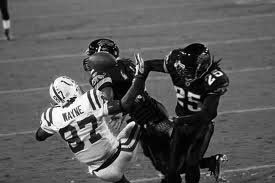
If you watch ESPN, or have ever seen a football game live, you’ve probably seen a horrific concussion. Recent attention in the media towards concussions may beg the question of why this is relevant to you. A concussion is, by an increasingly loose definition, a mild traumatic brain injury that includes any trauma induced alteration in mental status that may or may not involve a loss of consciousness. Moreover, this is purely a clinical diagnosis, meaning no test exists today that can concretely detect concussions. In fact, when doctors analyze CT scans and MRI results, the absence of brain abnormalities on the images helps convince them of a concussion-free diagnosis.
Read More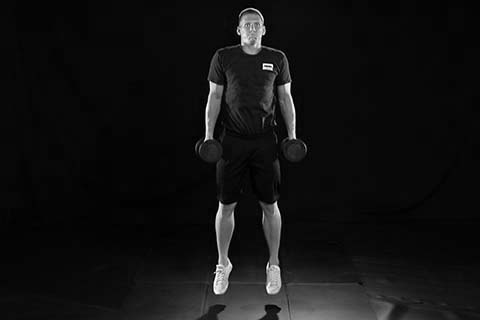
The dumbbell jump shrug is an ideal movement to work on vertical power in your strength training. This exercise is key in the transition from a strength work phase into a speed phase. Dumbbells are utilized in lieu of a barbell for developmental athletes, or with athletes that are trying to generate more hip speed. Keep in mind that the focus is hip speed; do not use dumbbells that are too heavy, as this will not allow you to achieve optimal velocity or power.
Read More