
Recent Posts

Strength training causes a series of physical changes to the body and it’s easy to notice external changes like increases in muscle tone and mass; however, it is less obvious to see hormonal responses and changes within the body.
Read More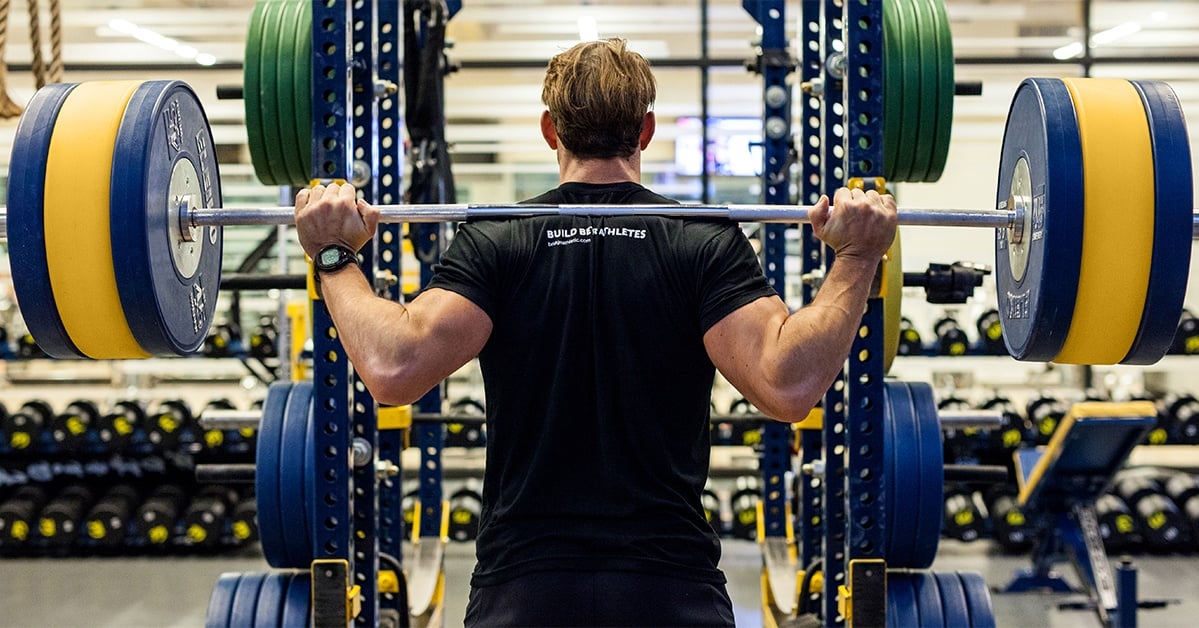
Strength training develops motor neuron pathways that enhance an athlete's brain-body coordination during functional movements. The “neural adaptations” athletes undergo in training refer to the brain’s ability to recruit muscles to contract and produce a particular movement. Practicing an exercise with resistance teaches an athlete's brain to fire the correct muscles to achieve the desired motion. Over time, the athlete’s technique for the exercise becomes ingrained and the movement becomes more automatic.
Read More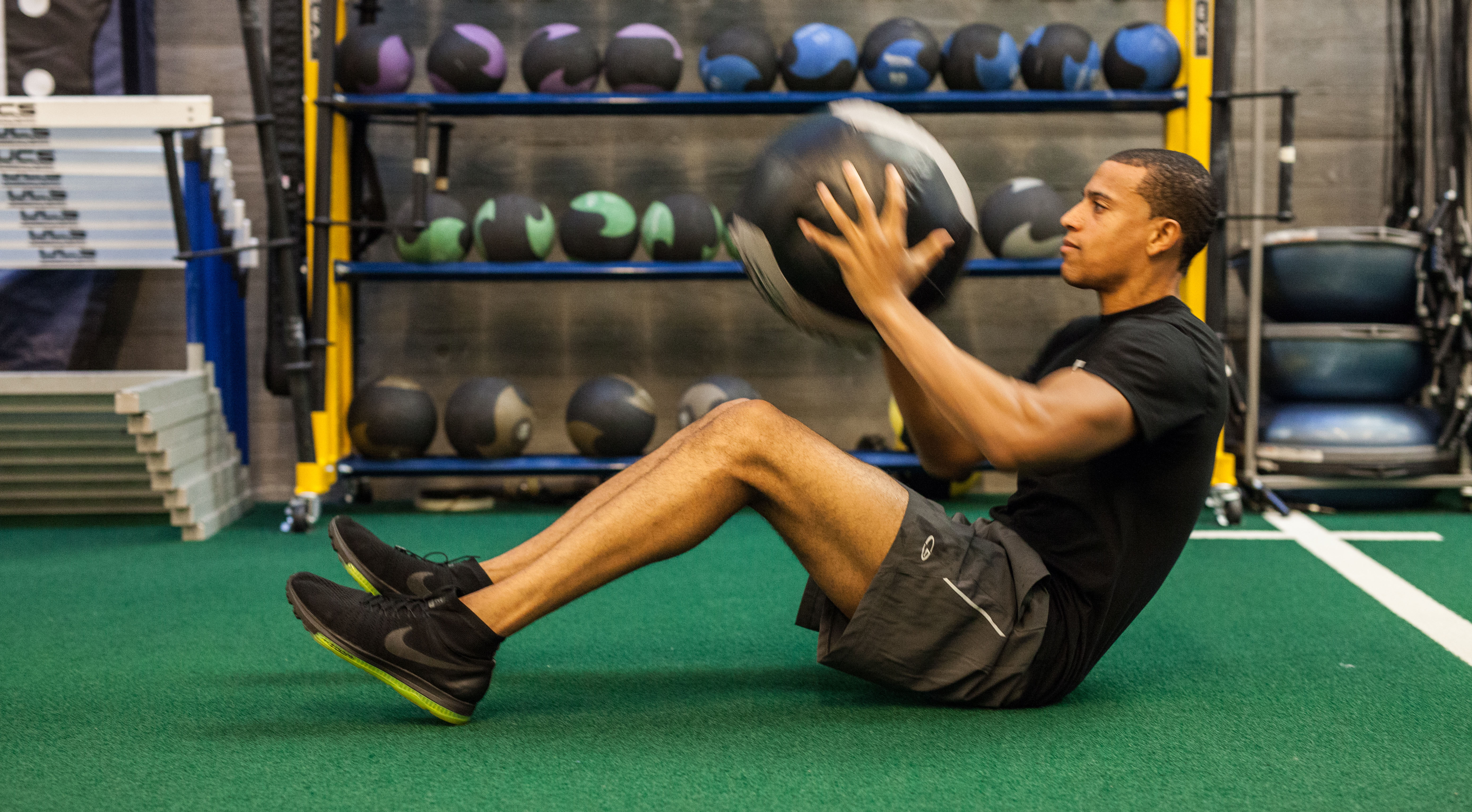
Whether it’s kicking, throwing, running, jumping or swimming, an athlete’s core is involved in almost every action. Core muscles are responsible for stabilizing the spine and pelvis as well as generating and transferring energy from the center of the body to its extremities. Developing core strength and stability enables athletes to maximize their power output and perform complex athletic movements that require coordination, balance, and technical skills. Additionally, focusing on core strength can help athletes stabilize other weak areas to reduce the risk of injury. When designing a strength program, coaches should implement core exercises in order to optimize athletic performance.
Read More
Nutrition is one of the most important aspects of being an elite athlete. The way an athlete treats their body before and after workouts on a daily basis can maximize their overall performance. Before making a grocery run, athletes should make a plan in order to stay organized, save money, and choose healthy options. It is imperative for elite athletes to prioritize nutrition and hydration to ensure their bodies are ready to go for training or competition. To learn more about athletic nutrition for collegiate athletes check out this article.
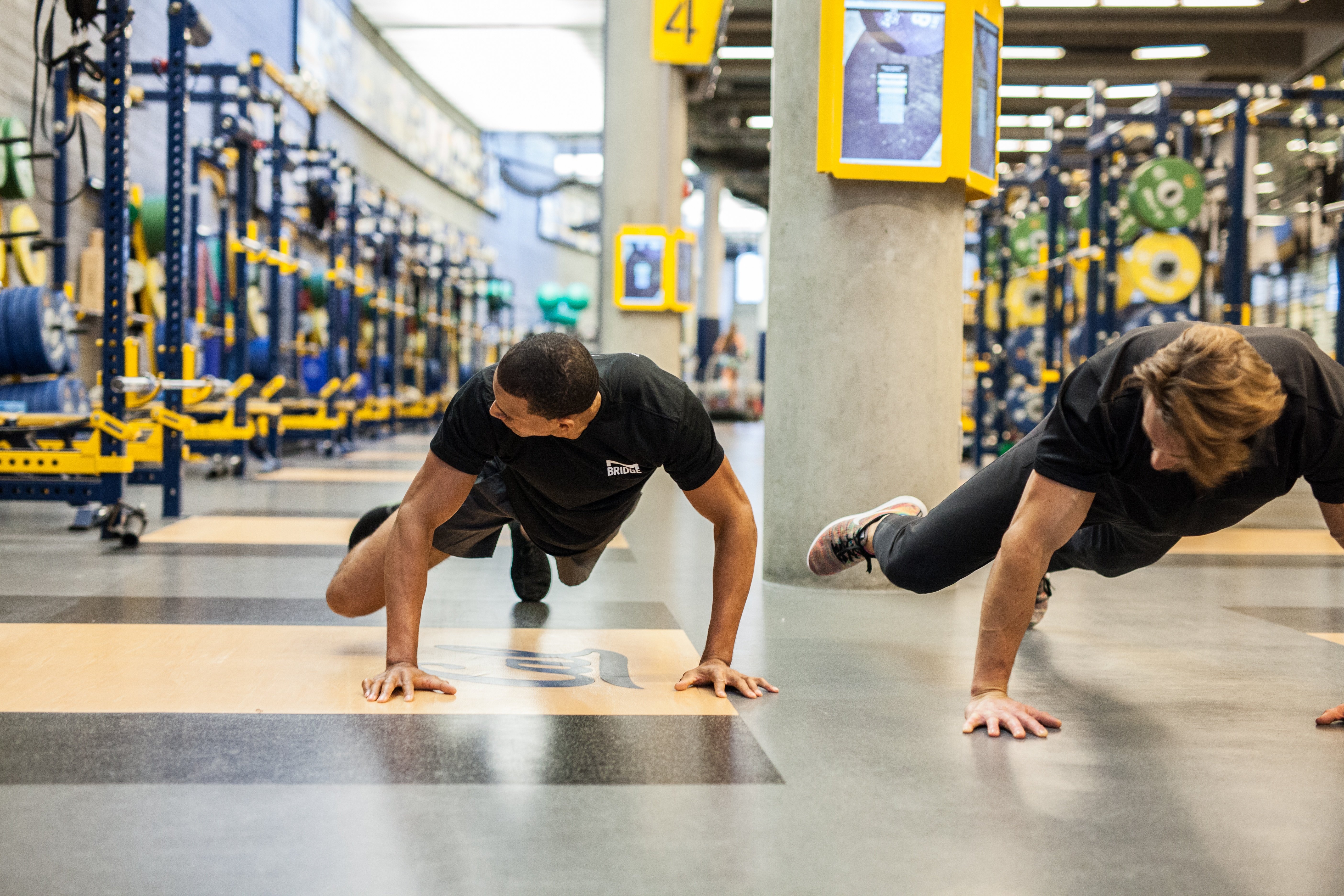
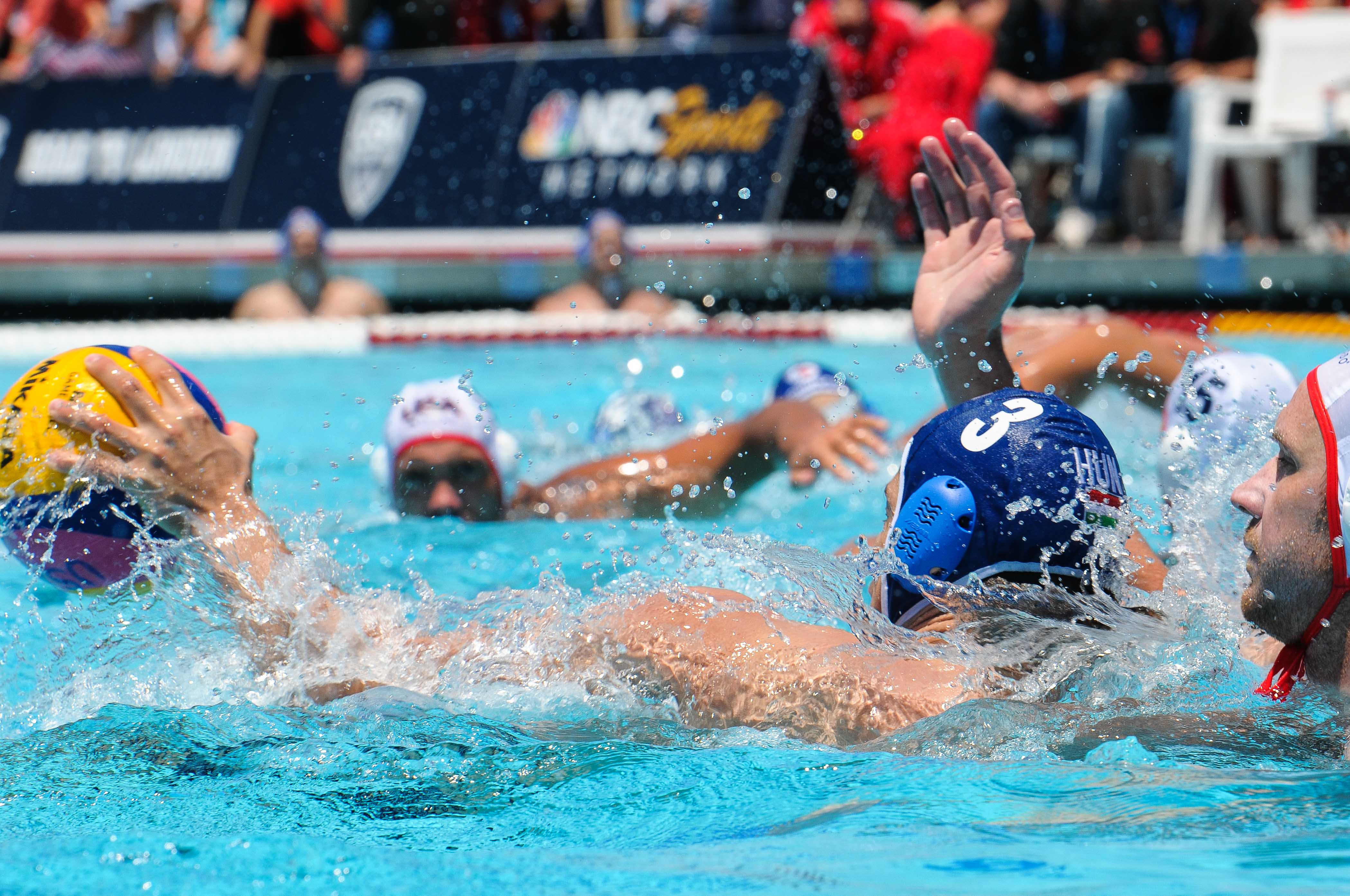
Quickly transitioning from offense to defense or vice-versa can be the difference for water polo teams and having a successful season. From developing a powerful shot to improving goalie skills, a water polo-specific dryland training program can significantly improve performance in the pool. Below is a list of five water polo-specific dryland exercises that are designed to work on transitional speed.
Read More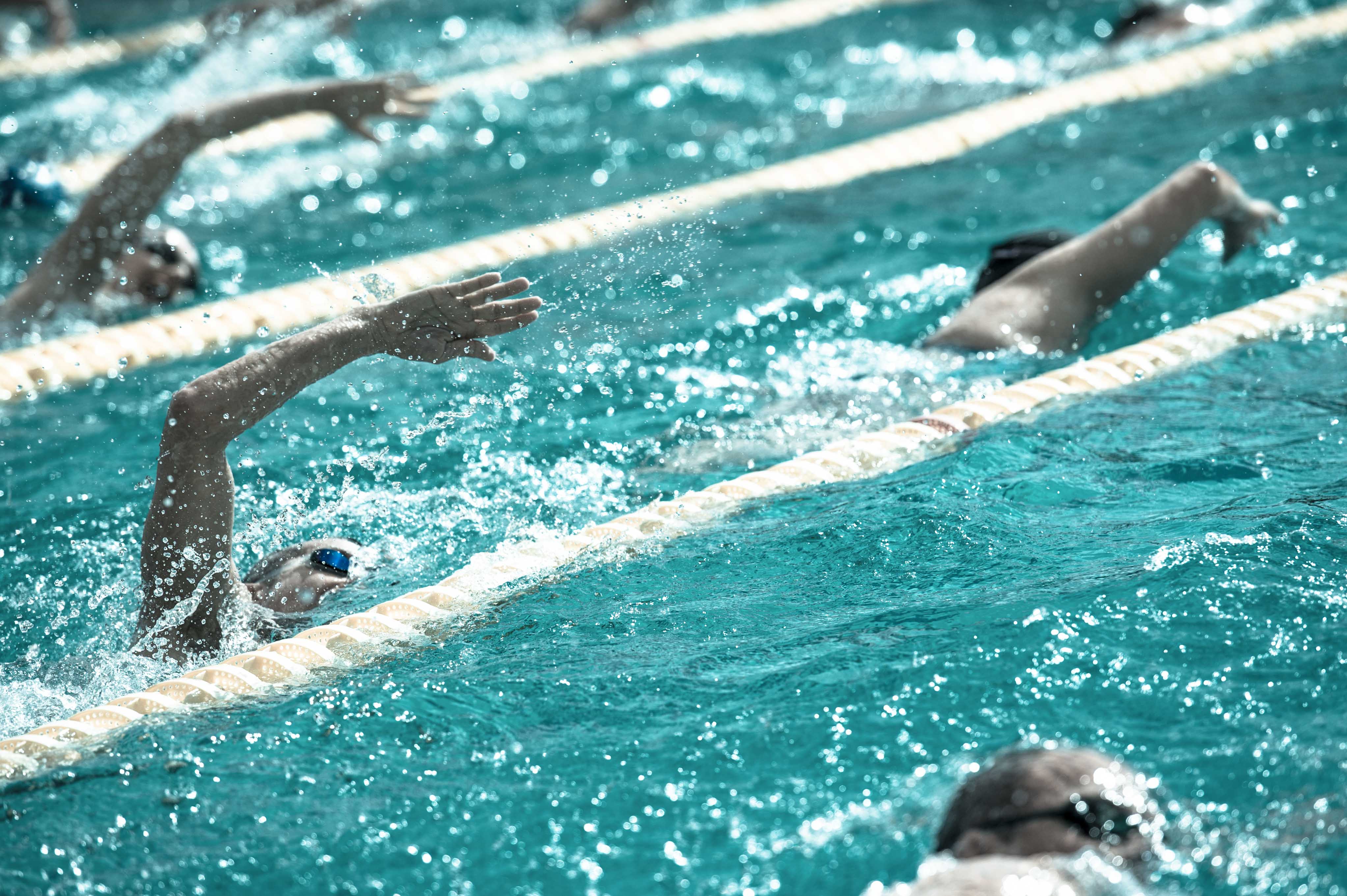
Coaches should incorporate swimming dryland training to maximize swimmer performance. The type of swimming dryland training may change over time, perhaps incorporating more weights once the athlete reaches the collegiate level, but all programs should incorporate dryland workouts. The purpose of dryland training for swimming is to improve the swimmer’s power, athleticism, and overall speed in the pool. Here are five major reasons to incorporate dryland training into a swimmer’s program:
Read More
Athletes who understand the purpose and effects of their training regimen tend to perform better because they have the context and a sense of direction for their desired development. In light of this, we found it useful to explore relevant physiological changes that occur post-resistance and strength training so that athletes and coaches can be more cognizant of how to train smart. Beginning with the hormonal and neural shifts that occur during strength training, and why all athletes, regardless of position, distance, or event, can benefit from a smart strength program.
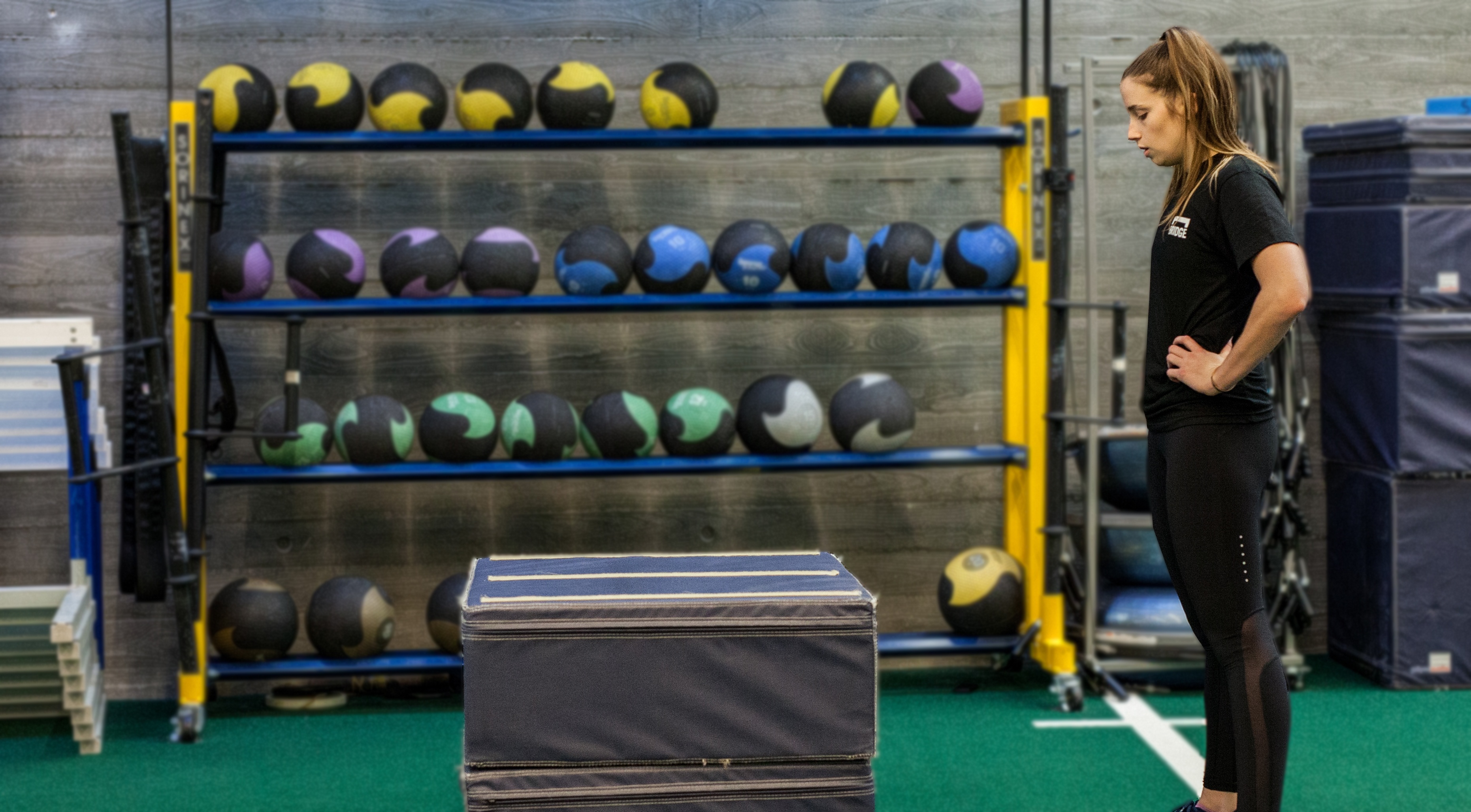
Many athletes and teams have limited or no access to a weight room or simply do not emphasize weight training for a variety of reasons. Check out this article to learn why strength training is crucial for athlete development and performance. Designing a strength program with minimal equipment is definitely possible and is a great way for athletes to build and mantain strength.