

Football preseason is just around the corner. It’s time for players to start getting into the right mindset to get ready for the first kick off in September. Preparing for preseason marks the start of football season and is a time for players to work through new plays with new teammates and give it their all on the field. It is the first chance an athlete has to make a good impression and will set the bar for the rest of the season.
Read More
Every day we hear championship stories about how BridgeAthletic's strength training software is helping coaches and athletes achieve their goals and overcome obstacles. By making coaches more efficient, the department more connected, and athletes' development more accessible, the BridgeAthletic strength training software takes athletic programs to the next level. These stories motivate us to build better athletes across sports and around the world. Featured in this #BridgeBuilt Series is Notre Dame High School’s Nick Garcia, Head Strength and Conditioning Coach, who talks about the success his team of performance coaches and athletes has using BridgeAthletic’s platform.
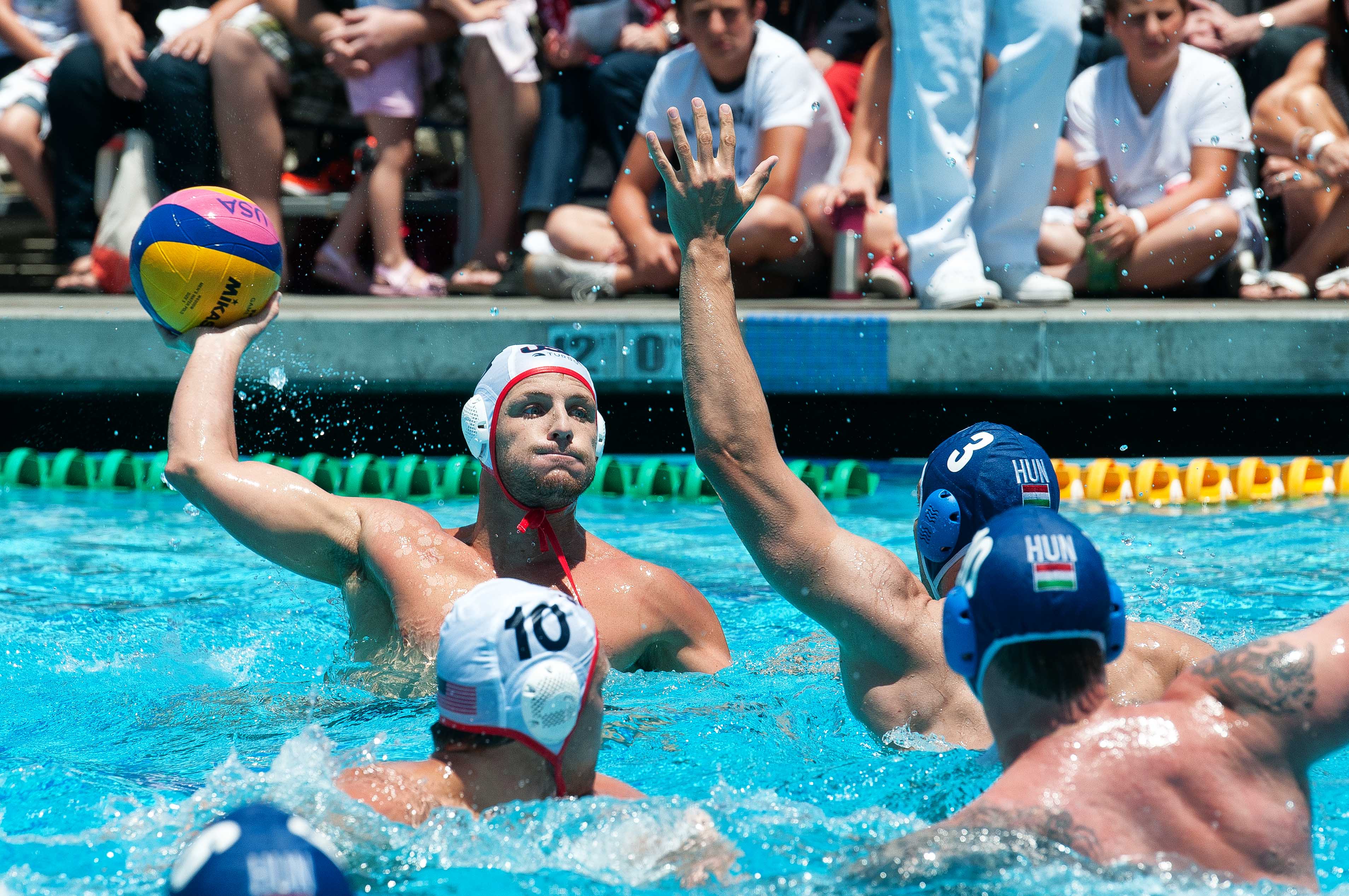
Preparing for competition both mentally and physically is essential for the big day. From late night practices to intense strength and conditioning training, water polo teams have put in the hard work to get ahead of their competition. The weeks and days leading up to tournaments are crucial and there are many preparation aspects that go into maximizing player performance come game day.
Read More
In volleyball, having an end of the season vision is the center point for which all success and failure hinges. There will be pitfalls throughout the year, but resiliency, determination, and persistence are the keys to long-term success. How do volleyball players find a vision? Players need to explore what excites and drives them on a daily basis. Once this is established, athletes can use this to begin planning goals to achieve their vision, one step at a time. Athletes must also determine specific steps that will set them up to achieve their goals. Ultimately, goals drive motivation, commitment, focus, and enhance athletic performance on the court.
Read More
In order for motivation to be effective, athletes doing the work must own the reasons why they choose to show up every day and compete. Athletes commonly struggle with staying motivated when their perspective on success revolves solely around winning, especially in the offseason when there isn’t anything to win. Long-term goal setting can be motivating, but the lack of knowledge about the amount of training needed can lead to procrastination. The offseason is a great challenge for sports organizations and their athletes because time off is oftentimes seen as “free” time due to the absence of team training opportunities. An individual athlete’s motivation to train during the offseason can change as they are more likely to become distracted and less focused. It is essential for athletes and coaches to strategize and develop the optimal form of motivation in order to push themselves during the offseason.
Read More
One of the most challenging things for players at all levels is the ability to handle pressure and criticism. A study published in The Sport Journal found that distractions and criticism drain mental energy and decrease athletic performance. When it comes to winning, the more positive the attitude, the better the athletic performance. Specifically in team sports, coaches have a significant impact on individual athletes and the team as a whole. Additionally, players who behave in a collaborative, engaging, and enthusiastic manner attract others to influence a greater level of teamwork. The best coaches learn to understand how each individual athlete effectively responds to criticism and direction.
Read More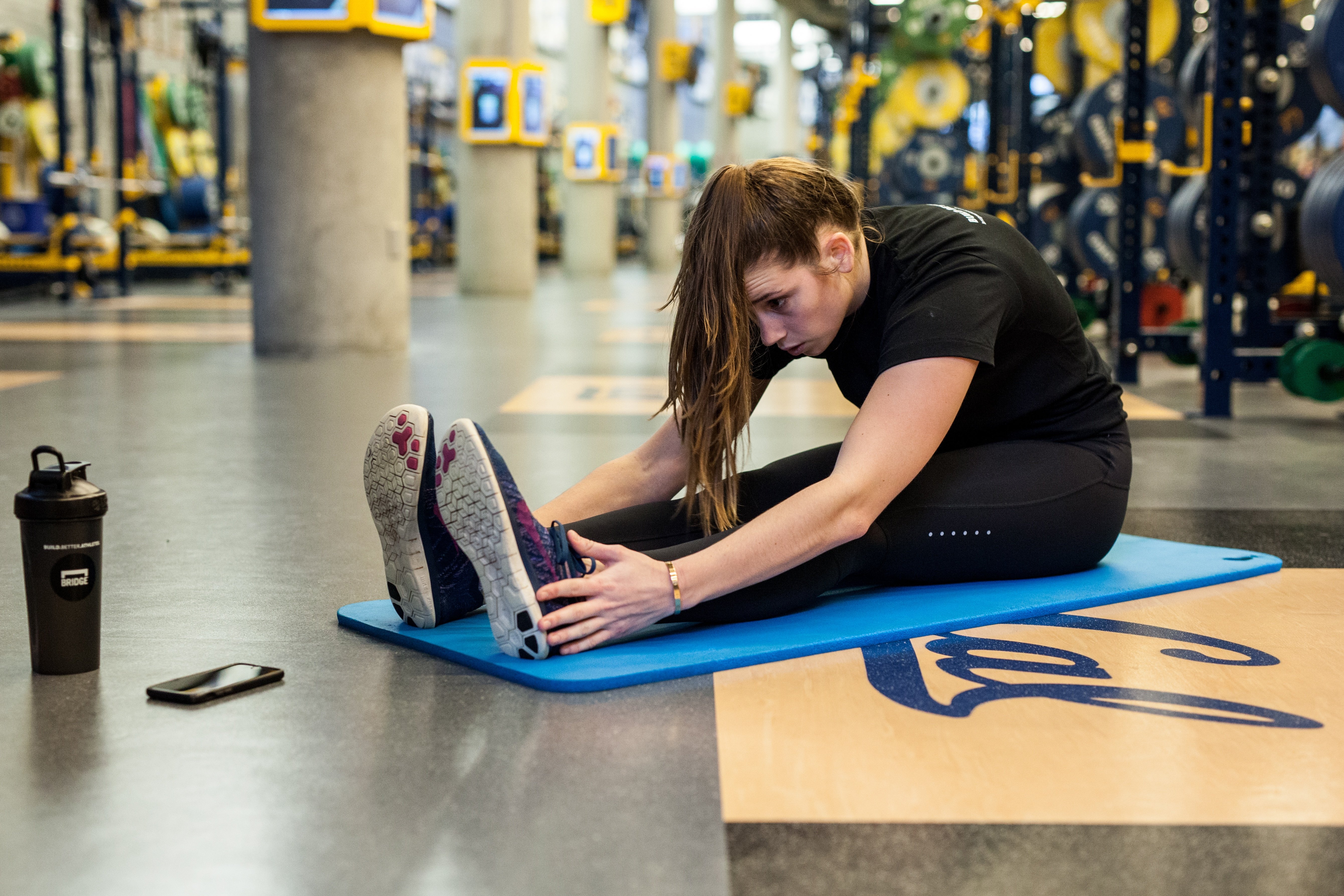
Going through a complete warm up and cool down before and after competitions and training sessions is a simple way for athletes to maximize their athletic performance. Even though it takes just an extra few minutes, it is easy for athletes to fall into the habit of not warming up or cooling down. Pre and post workout exercises play a crucial role in preparing the body for activity and assisting in full recovery.
Read More
Strength training causes a series of physical changes to the body and it’s easy to notice external changes like increases in muscle tone and mass; however, it is less obvious to see hormonal responses and changes within the body.
Read More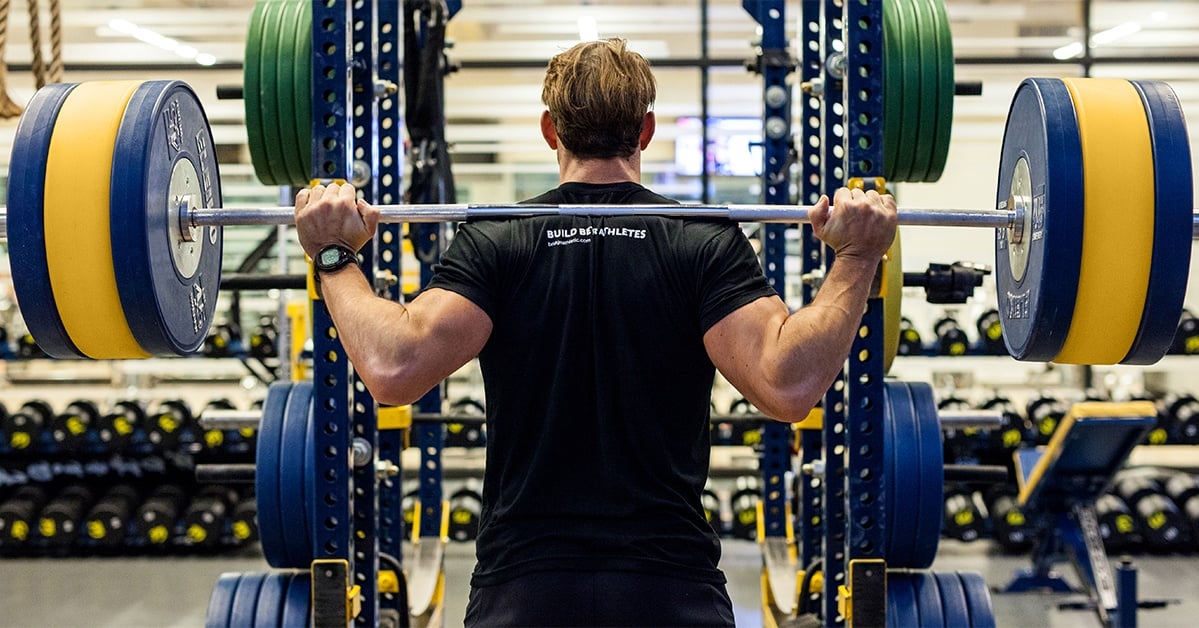
Strength training develops motor neuron pathways that enhance an athlete's brain-body coordination during functional movements. The “neural adaptations” athletes undergo in training refer to the brain’s ability to recruit muscles to contract and produce a particular movement. Practicing an exercise with resistance teaches an athlete's brain to fire the correct muscles to achieve the desired motion. Over time, the athlete’s technique for the exercise becomes ingrained and the movement becomes more automatic.
Read More