
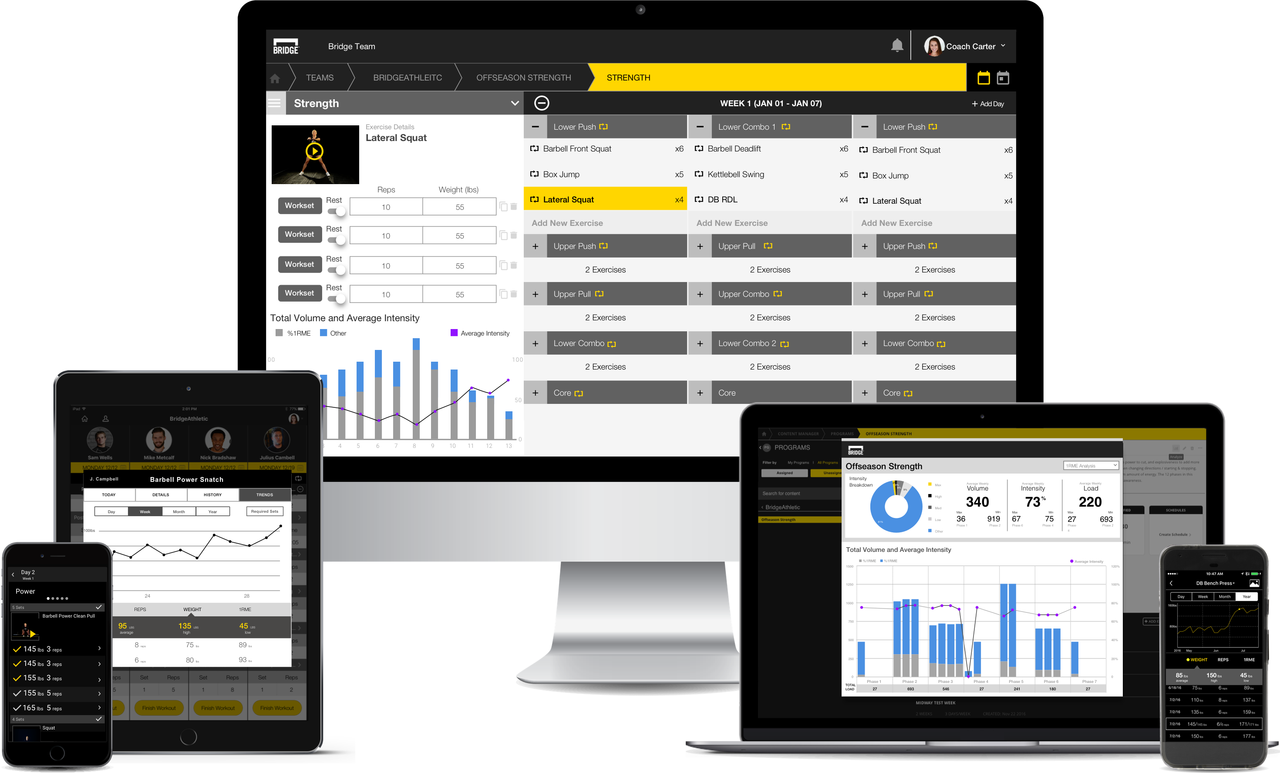
The ability to track your athletes' progress and evaluate your program thorought the season is at the center of BridgeAthletic's software for strength coaches. While mapping results across many seasons is crucial to your team’s success, having the tools to communicate and examine your programming can serve as an equally important factor when assessing results and planning your next steps. The BridgeAthletic software for strength coaches not only allows you to track your athletes' success, but the analytical features enable you to compare those results to the composition of your programming.
Read More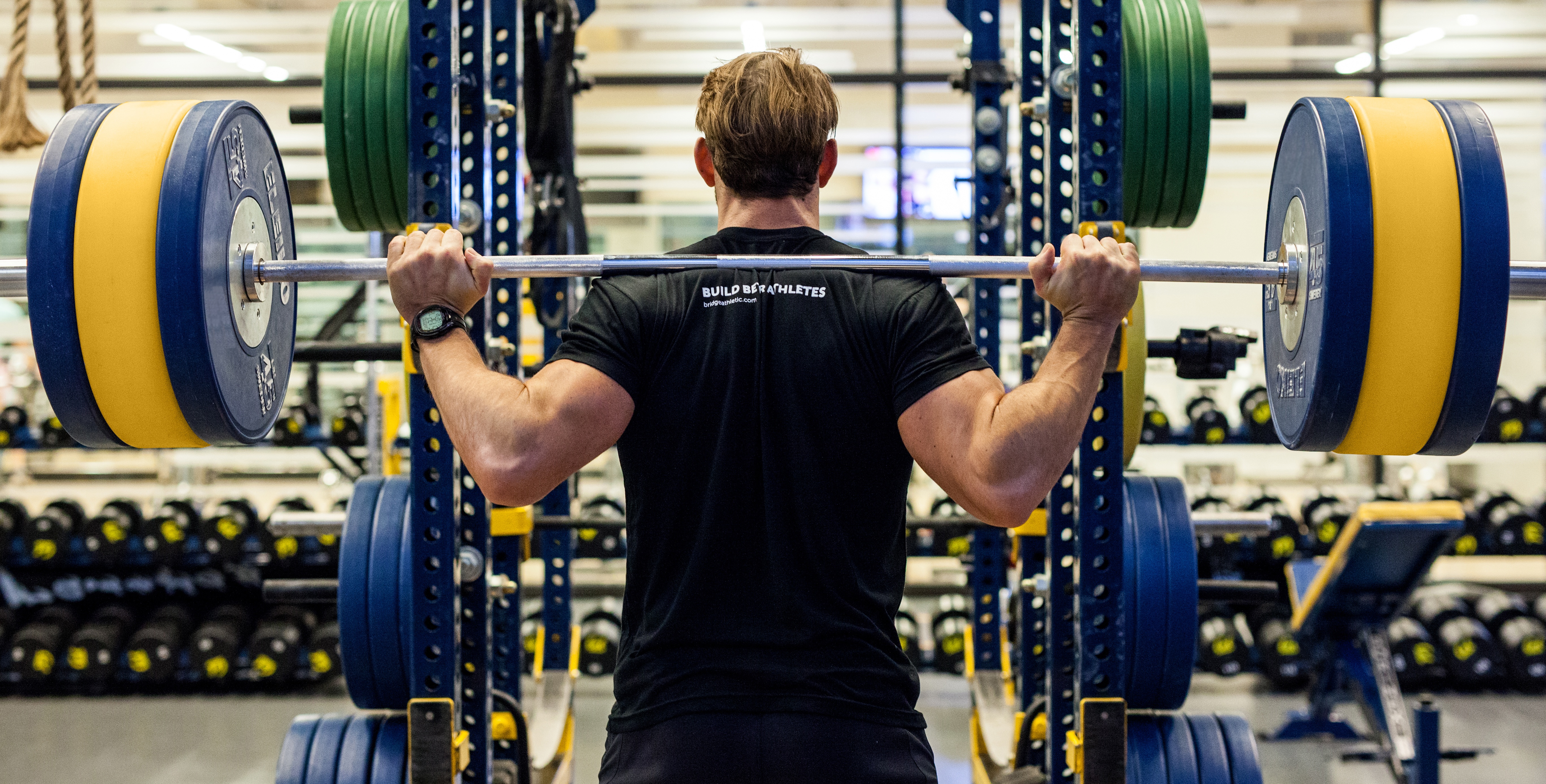
Delivering an individualized strength and conditioning program to each member of a team used to be difficult. Often, we found ourselves calculating percentages based on each athlete’s 1 rep max equivalent (%1RME) and then creating unique lifting cards, containing each individual’s weight prescriptions. However, strength training software and the BridgeAthletic builder does away with these calculations. Simply choose to prescribe weight based on %1RME and deliver your workout to every athlete at once, allowing each value to automatically calculate, based on the percentages assigned. No more mistyped Excel formulas. Spend your time on the floor, not the computer.
Read More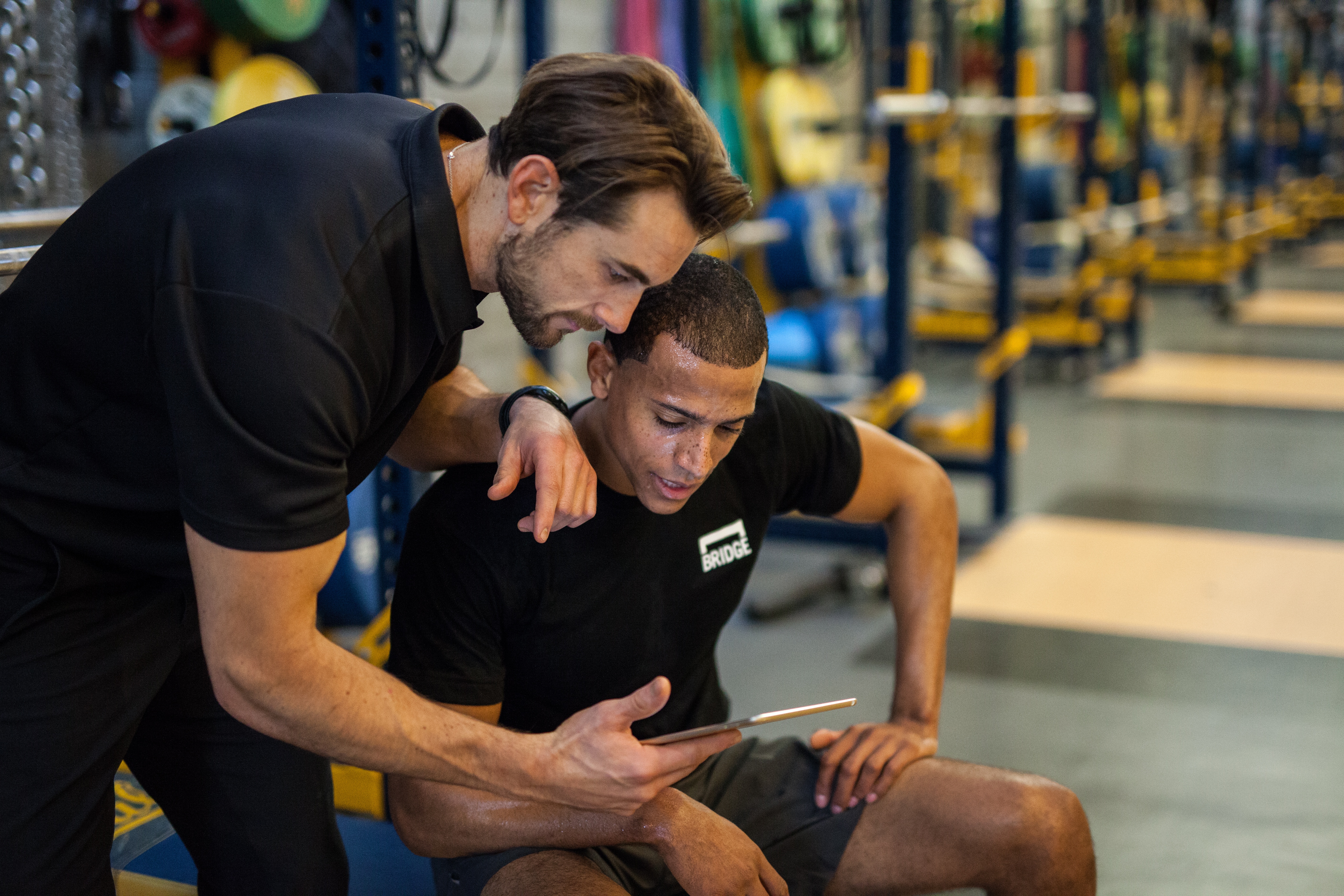
Communicating with your team can be a challenge. Accounting for last minute scheduling conflicts, relaying workout descriptions in the off season, and generally keeping track of a high volume of athletes can be a challenge. That’s why we’ve created software for strength coaches and the Team Stream feature to help streamline all communication with your individual athletes as well as the different parts of your department, from sports coaches to trainers. While this simple messaging system can significantly impact your athletes’ engagement and your tracking of their success, BridgeAthletic’s communication features also enable the rest of your training staff to collaborate more effectively.
Read More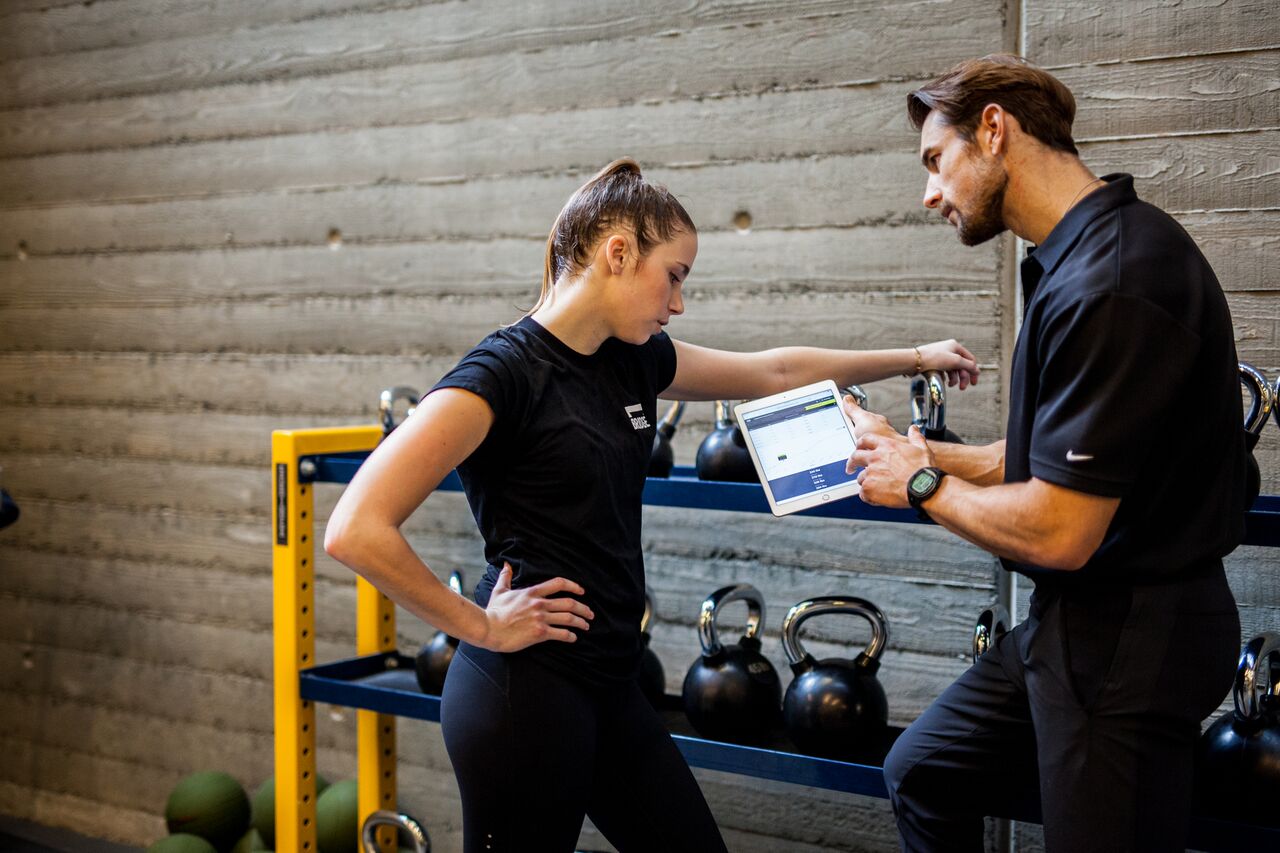
Testing your athletes is crucial to measuring the success of your strength and conditioning program. While it can be time consuming and difficult to collect data and analyze your team's stats, the BridgeAthletic software for strength coaches allows you to compile, organize, track, and examine your athlete's tests against each other and over time.
Read More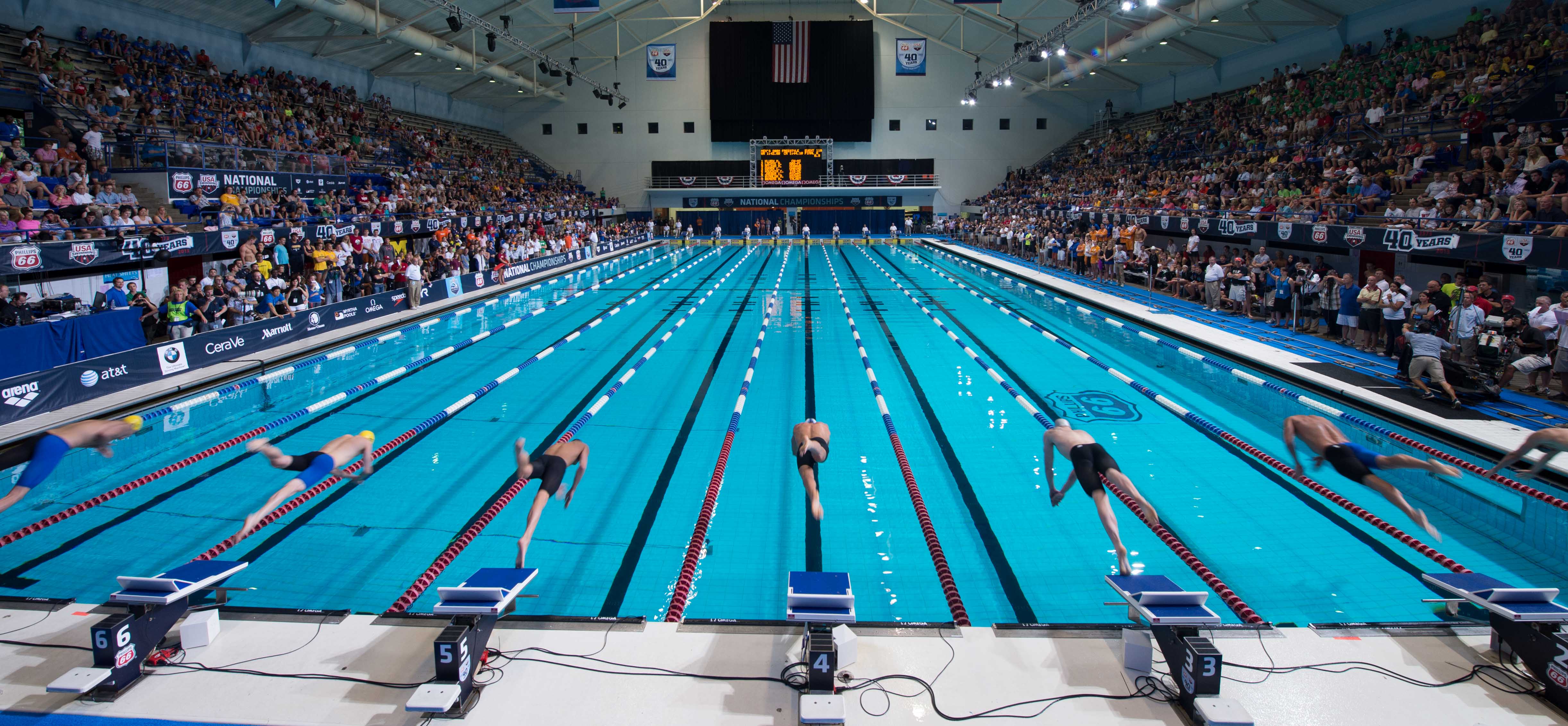
Ask active young athletes who they look up to and good chance you’ll get the name of an Olympian, professional athlete, or perhaps the next rising star in their sport. Many aspire to achieve elite status, or a future collegiate or professional career in a specific sport. This can lead to an excessive amount of pressure by the athlete, coaches, parents, and teammates to pick a sport to specialize in early and put in hours of training year-round. Is this the only way to achieve the skill and experience to make it to the top? What are the downsides of this? This sports science article will provide some background on sports specialization, discuss the risks of early sports specialization, how early versus late influences performance, and, finally, provide some recommendations to coaches, athletes, and parents on training.
Read More
This month’s edition of Sport Psychology is for coaches and individual athletes who want to plan for success and set long-term goals with short-term objectives.
Read More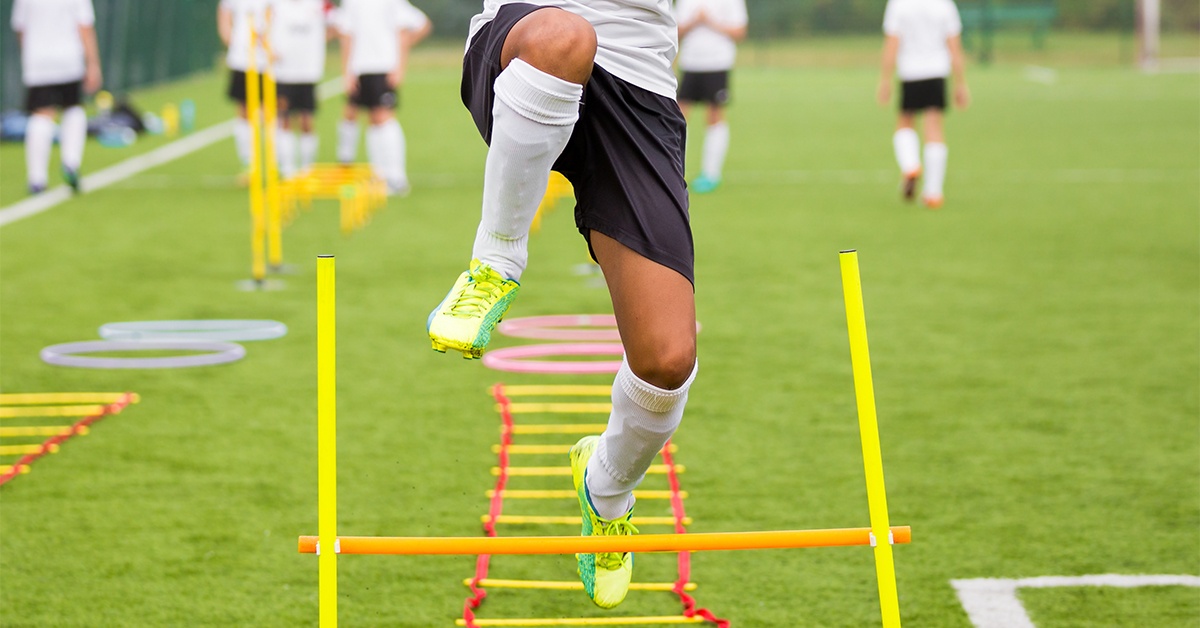
Soccer players all over the world cringe at the thought of tearing their anterior cruciate ligament (ACL). Unfortunately, this season-ending injury is very common amongst soccer players. In the United States alone, there are between 100,000 and 200,000 ACL ruptures per year (Friedberg). The ACL connects the femur (thigh bone) to the tibia (shin bone) and serves as an important stabilizer in the knee to prevent bones from over-extension and over-rotation. However, typical movements in soccer can put an immense amount of stress on a player’s knee causing injury. An ACL rupture is certainly one of the most serious knee injuries in soccer, but after surgery and rehabilitation athletes can return to play within 6-12 months. Additionally, soccer specific training reduces the risk of injury.
Read More
For athletes, there are many difficulties that go along with exercising in hot temperatures. Whether you are a football player, track athletic or a year-round swimmer, it is extremely important to consider the environment in which you train.
Read More
This month’s edition of Sports Psychology is a further look into the Perform Phase of the Learn, Plan, Perform Model. This article focuses on imagery for peak performance, though this skill can be used at any time throughout the Learn, Plan, Perform model. Athletes can use this skill to learn how to perform in the present moment with the automatic knowledge stored from it.
Read More