

At this point in the season you are in full swing of your beach season. In our previous discussions, we covered pre-tournament readiness, resetting during matches, and setting and establishing goals. You have most likely had up’s and down’s and so goes the nature of sports and competition. Four of the most critical tenets to success in competition are Focus, Motivation, Confidence, and Managing stress and anxiety. Your level of self-awareness and reflection will dictate your ability to step fully into the above mentioned principles. Establishing your goals in detail helps drive these principles, but once they are established we must monitor our journey towards them.
Read More
In volleyball, having an end of the season vision is the center point for which all success and failure hinges. There will be pitfalls throughout the year, but resiliency, determination, and persistence are the keys to long-term success. How do volleyball players find a vision? Players need to explore what excites and drives them on a daily basis. Once this is established, athletes can use this to begin planning goals to achieve their vision, one step at a time. Athletes must also determine specific steps that will set them up to achieve their goals. Ultimately, goals drive motivation, commitment, focus, and enhance athletic performance on the court.
Read More
In order for motivation to be effective, athletes doing the work must own the reasons why they choose to show up every day and compete. Athletes commonly struggle with staying motivated when their perspective on success revolves solely around winning, especially in the offseason when there isn’t anything to win. Long-term goal setting can be motivating, but the lack of knowledge about the amount of training needed can lead to procrastination. The offseason is a great challenge for sports organizations and their athletes because time off is oftentimes seen as “free” time due to the absence of team training opportunities. An individual athlete’s motivation to train during the offseason can change as they are more likely to become distracted and less focused. It is essential for athletes and coaches to strategize and develop the optimal form of motivation in order to push themselves during the offseason.
Read More
One of the most challenging things for players at all levels is the ability to handle pressure and criticism. A study published in The Sport Journal found that distractions and criticism drain mental energy and decrease athletic performance. When it comes to winning, the more positive the attitude, the better the athletic performance. Specifically in team sports, coaches have a significant impact on individual athletes and the team as a whole. Additionally, players who behave in a collaborative, engaging, and enthusiastic manner attract others to influence a greater level of teamwork. The best coaches learn to understand how each individual athlete effectively responds to criticism and direction.
Read More
In sports, having an end of the season vision is the center point for which all success and failure hinges. There will be pitfalls throughout the year, but resiliency, determination, and persistence are the keys to long-term success in sports. How do athletes find a vision? Athletes need to explore what excites and drives them on a daily basis. Once this is established, athletes can use this to begin planning goals to achieve their vision, one step at a time. Athletes must also determine specific steps that will set them up to achieve their goals. Ultimately, goals drive motivation, commitment, focus, and enhance athletic performance.
Read More
Elite coach and BridgeAthletic’s co-founder, Nick Folker, joined HMMR for a podcast episode discussing how coaches can leverage strength and conditioning technology to be better at their jobs. Technology is a controversial topic in sports training and is oftentimes frowned upon by coaches in the weight room or on the field. Nick talks about these common misconceptions, benefits of incorporating technology, and the future of sports and technology in strength and conditioning programs. Here is the HMMR episode and a recap of the discussion.
Read More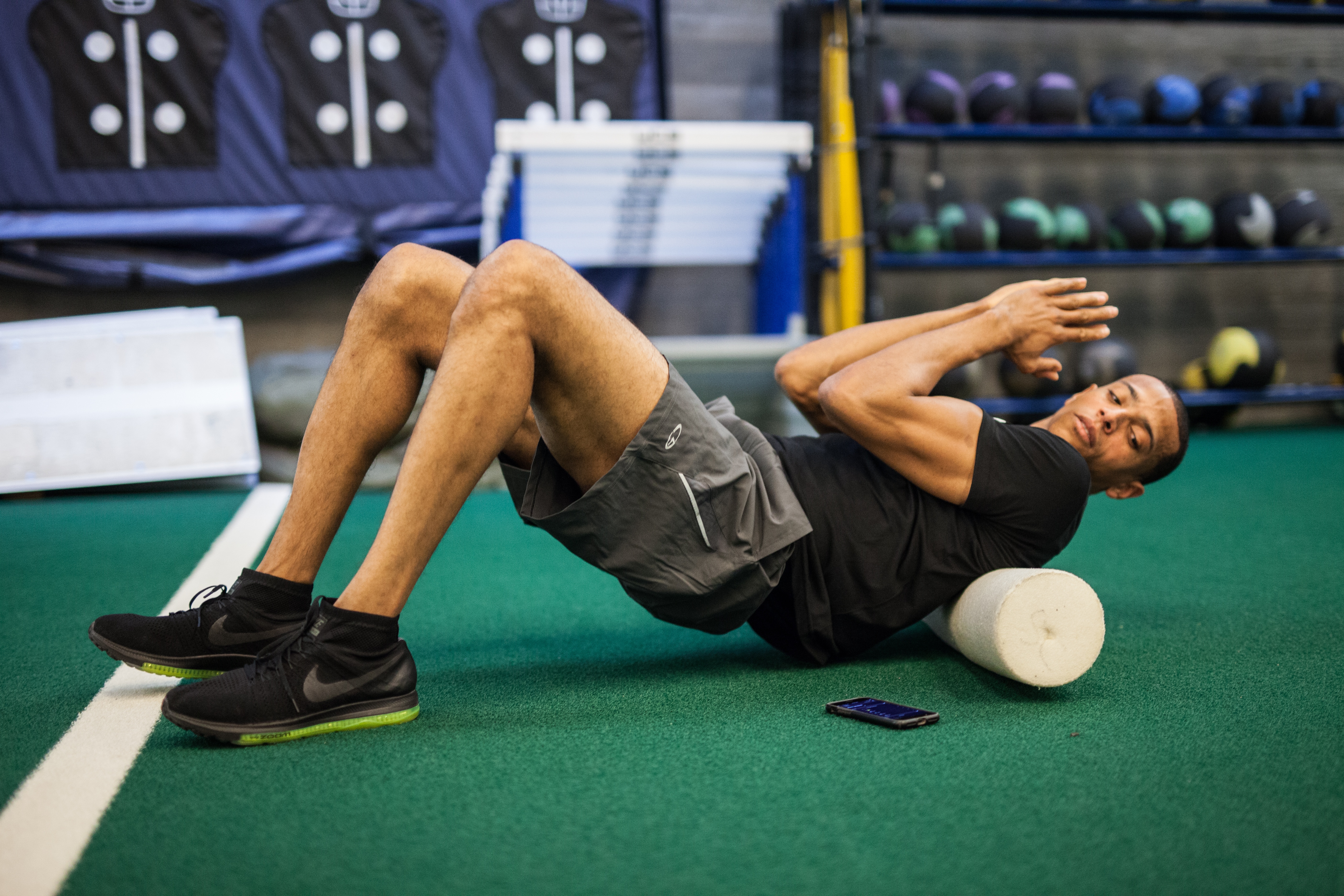
Delayed onset muscle soreness (DOMS) is common for all athletes and is caused after performing high-intensity unaccustomed exercises. More specifically, it is due to the high intensity eccentric (lengthening) contractions during these exercises. Eccentric contractions in unprepared muscles can cause micro traumas to the muscle that result in soreness. DOMS tend to concentrate at muscle-tendon junctions due to the high concentration of muscle pain receptors at these myotendinous junctions. An athlete's body responds to this damaged muscle tissue by swelling and causing muscles to feel tender.
Read More
Muscle soreness is a familiar and dreaded companion for competitive athletes in training. Ice baths, also known as cold water immersion or cold water therapy, can be an effective recovery method to flush out lactic acid, diminish muscle soreness, and leave athletes feeling fresh for their next training session. This recovery method is common amongst collegiate and professional athletes across a variety of sports.
Read More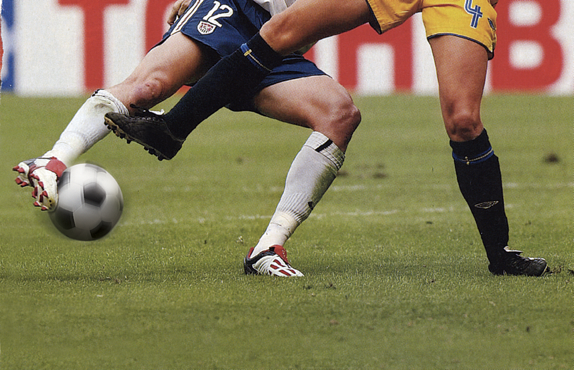
Soccer is currently the most popular sport played worldwide and it also, not surprisingly, happens to have the highest injury rate among high school sports, with ankle sprains occurring most frequently. Ankle sprains are a common injury in the sports world, comprising approximately 25% of all sports-related injuries.1 A prior ankle sprain is one of the greatest risk factors for a future sprain, so both prevention and optimal management of acute (new) sprains is essential. This article will briefly review the anatomy and mechanism of an ankle sprain, management options, and finally prevention strategies.
Stats on Ankle Sprains
20% of all injuries in youth soccer players16
25% of all injuries across all sports
Read More