
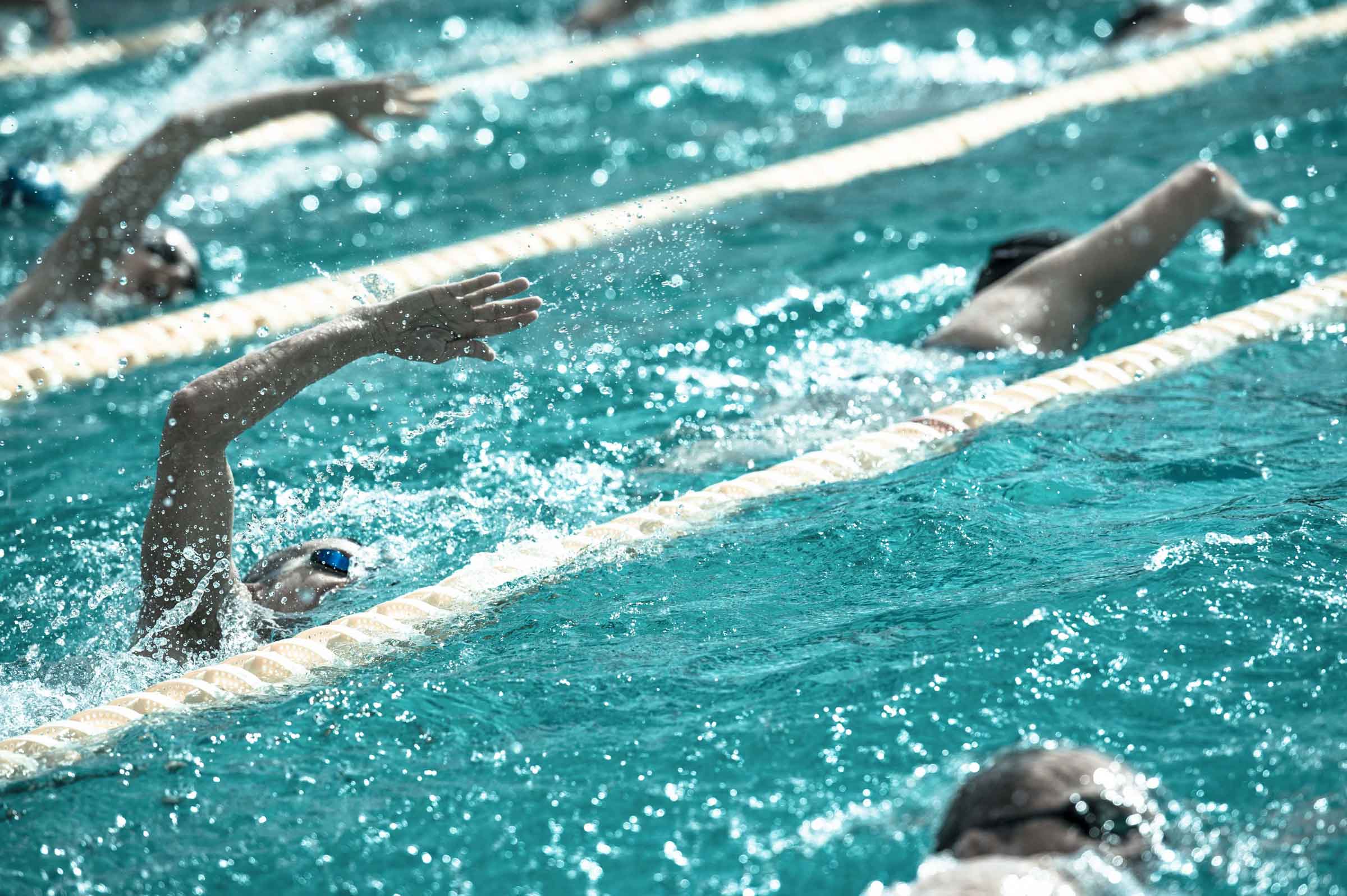

There’s value in implementing good habits around nutrition for younger athletes. Here’s what Hudl and the Los Angeles Galaxy have to say about the subject.
Kristen Andrews is the Sports Performance Dietitian for the Los Angeles Galaxy of Major League Soccer, as well as the U.S. Men’s National Team. Kristen worked with Hudl to shed some light on just how important nutrition is at the club level.
Read More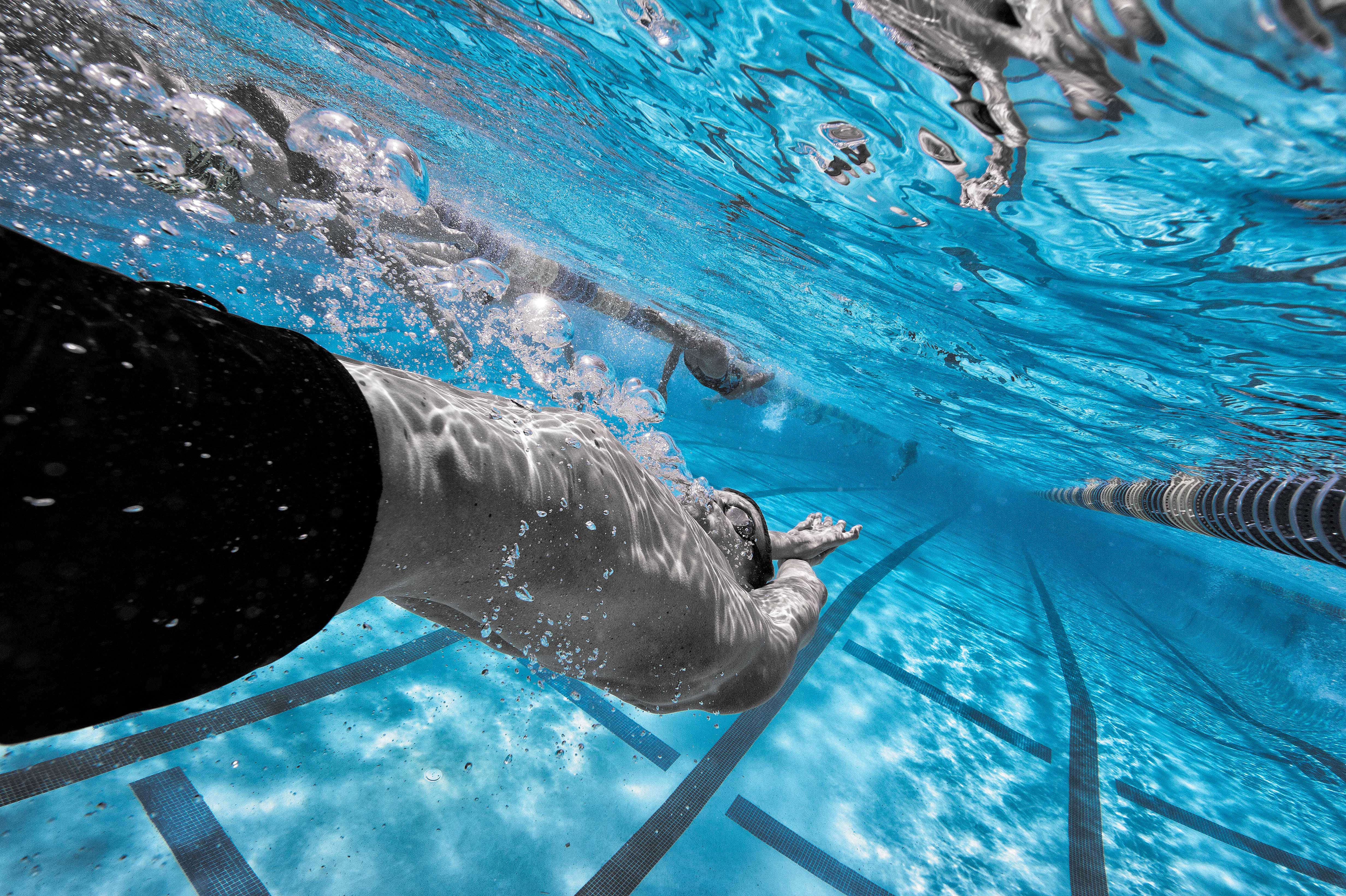
A strong core is a requirement for swimmers looking to increase speed and improve technique. In order for swimmers to minimize drag resistance through the water, the core plays a very important role in keeping the body in a stable streamlined position. Further, core muscles that are not well conditioned can lead to technical flaws and stroke inefficiencies, which could make or break a chance at the podium.
Read More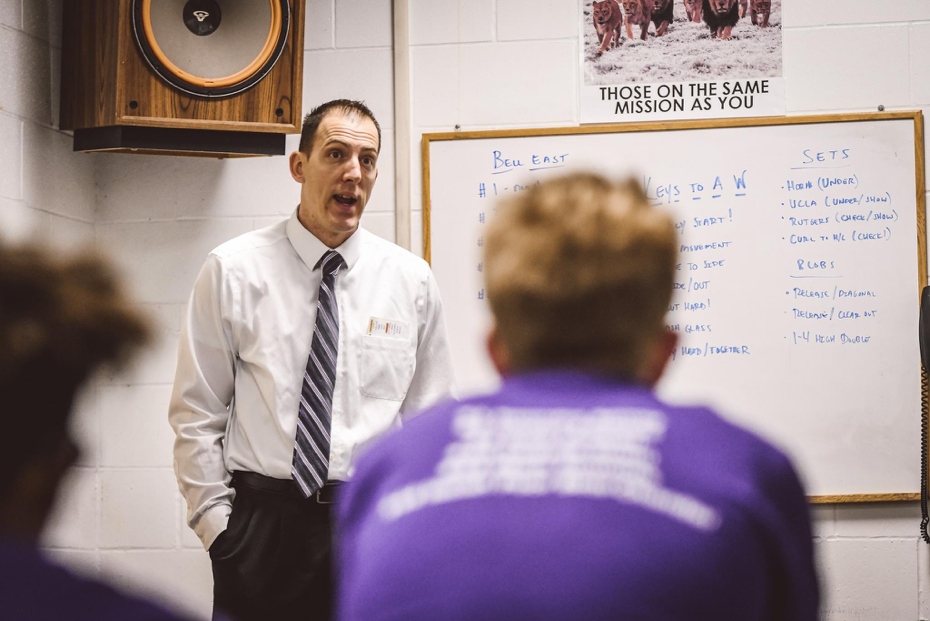
Clearly communicating your vision and getting everyone on the same page are important steps for every new head coach. Here are four ways to establish a strong culture in your program.
With 11 years as an assistant football coach at Lincoln Christian (Neb.) under his belt, Kurt Earl finally got his chance last year–the Crusaders turned to Earl after going a combined 6-12 in 2014 and 2015.
Read More
Coaches often find themselves lost working to find the right words to encourage their athletes to develop a productive mindset. A lot of coaches will find themselves labeling their talented yet disconnected athletes as “challenged” or “in need of mental focus”. Part of the coach’s struggle can be supported by understanding how to help their athletes develop as people and athletes through a set of proven qualities they build into their programs. Winning cultures produce winning teams. Coaches need to start from the inside out by identifying and learning to communicate what it takes to create a winning culture.
Read More
With over 18 years of experience coaching youth, high school, collegiate, Olympic, and professional athletes, Juan Pablo Reggiardo, has always been involved in sports. With a background in physical therapy and strength and conditioning, Coach Reggiardo has worked mostly with volleyball and basketball programs, and has won multiple National Championships with Stanford women’s volleyball and golf. We had the opportunity to host a webinar featuring Coach Reggiardo where he discusses how he and the BridgeAthletic Performance Team create and deliver customized strength training for volleyball clubs and players. We talked with Coach Reggiardo about this and how clubs can implement individualized training for multiple teams and athletes of different ages and skill levels. Tailoring strength and conditioning programs based on a player’s age, experience level, equipment accessibility, training time, and major tournament dates will contribute to maximizing that player’s potential on the court.
Read More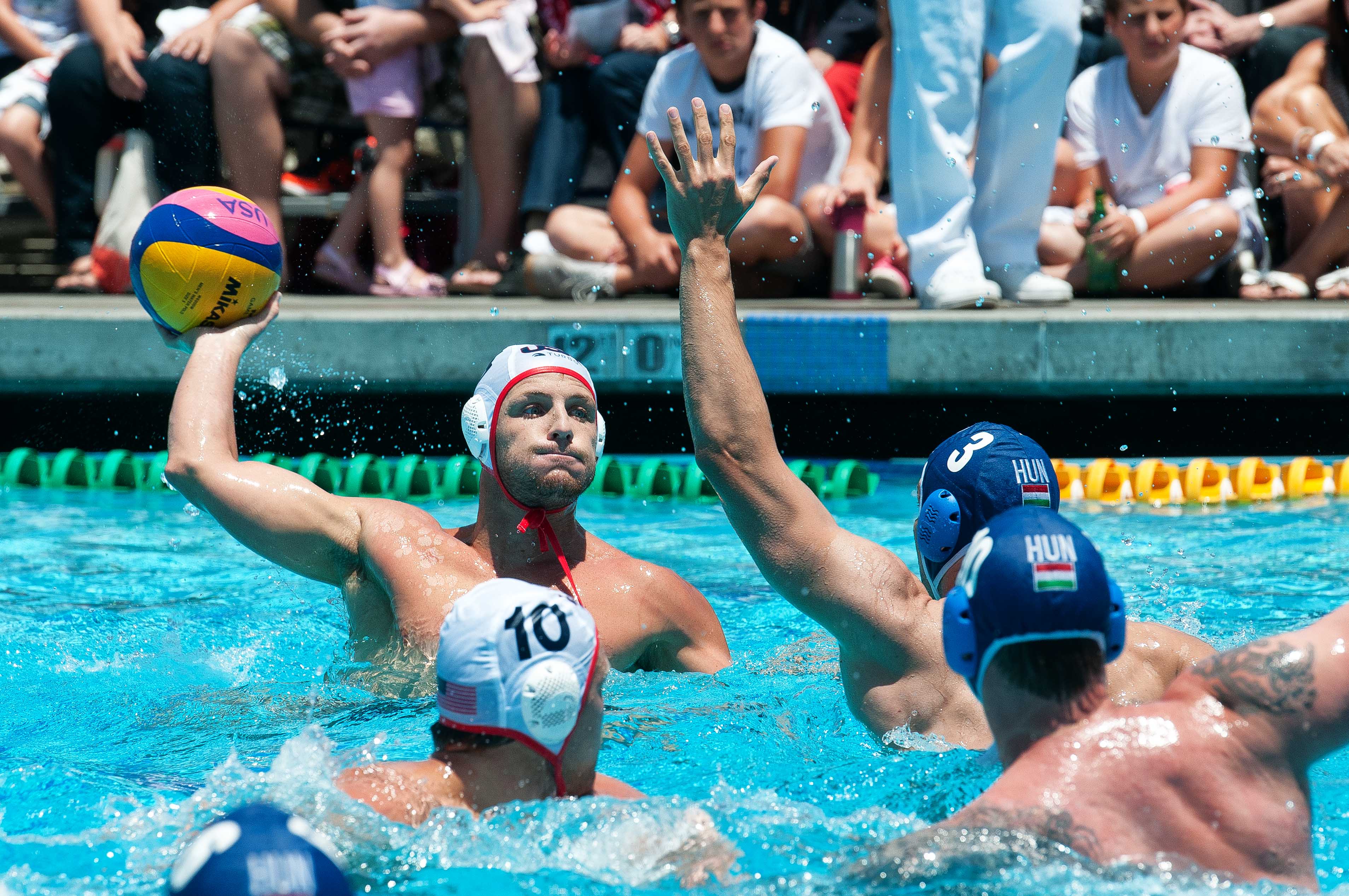
The omnipresent thought of a season ending shoulder injury can create hesitation and prevent water polo players from reaching their maximum potential. In general, water polo players are at a higher risk for a rotator cuff injury due to the nature of the sport’s throwing techniques and shoulder patterns. Unlike most sports that involve throwing, water polo players aren’t able to use their legs for support during the action so more strain is placed on their shoulder muscles in order to complete the repetitive motion. Water polo players can reduce their risk of shoulder injuries through prevention programs and exercises, which aim to strengthen surrounding muscles and increase overall stability, flexibility, and mobility.
Read More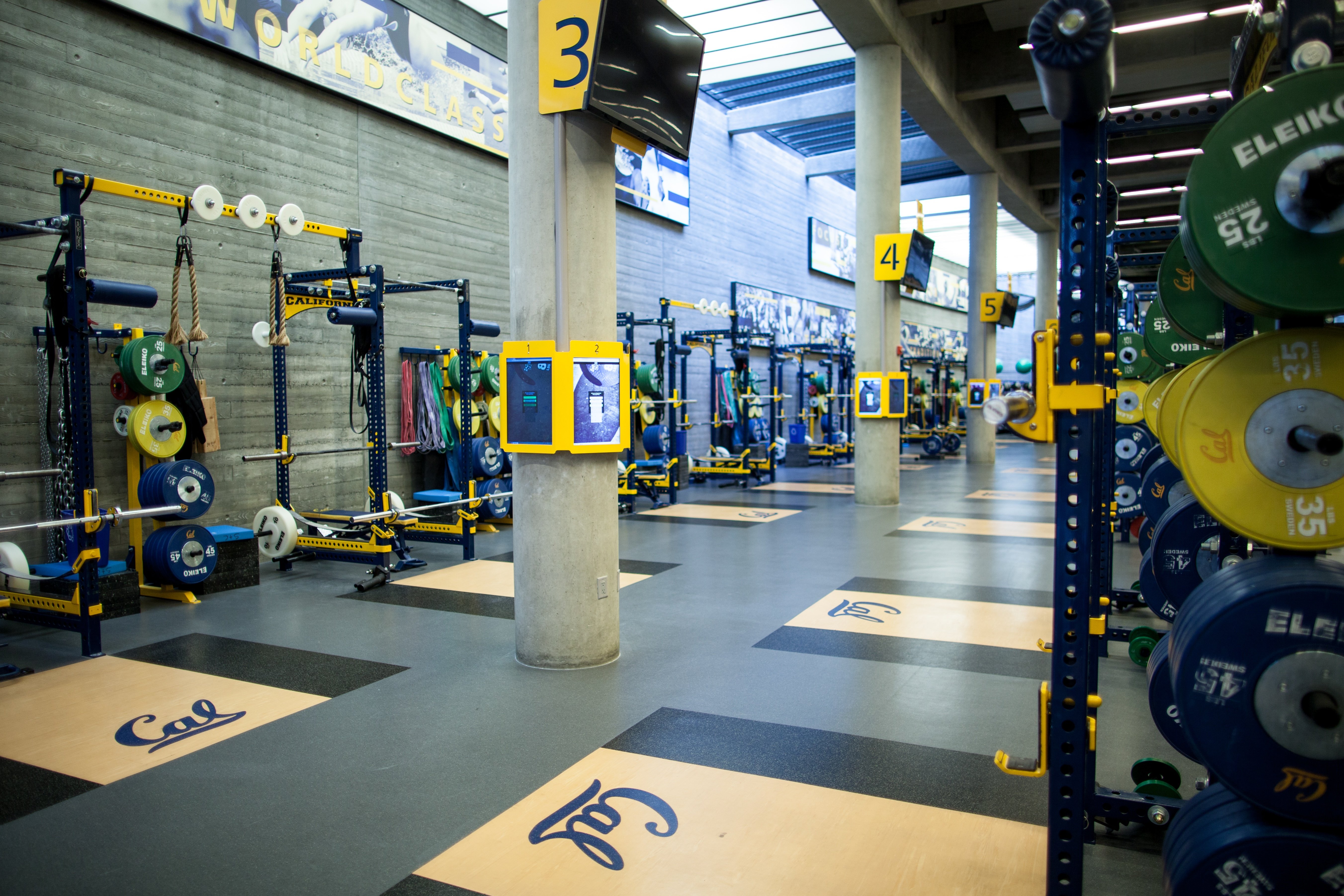
The transition to college athletics can be an exciting, yet daunting time for first-year student-athletes. Playing sports at the collegiate level requires another degree of challenge and dedication to the sport. In order for first-year athletes to be successful at this level, it is essential for them to understand the expectations they must uphold from their school, professors, and sport coaches. Players should use the collegiate level as an opportunity to craft their skills and take their game to the next level, while balancing the many other aspects that come with college life.
Read More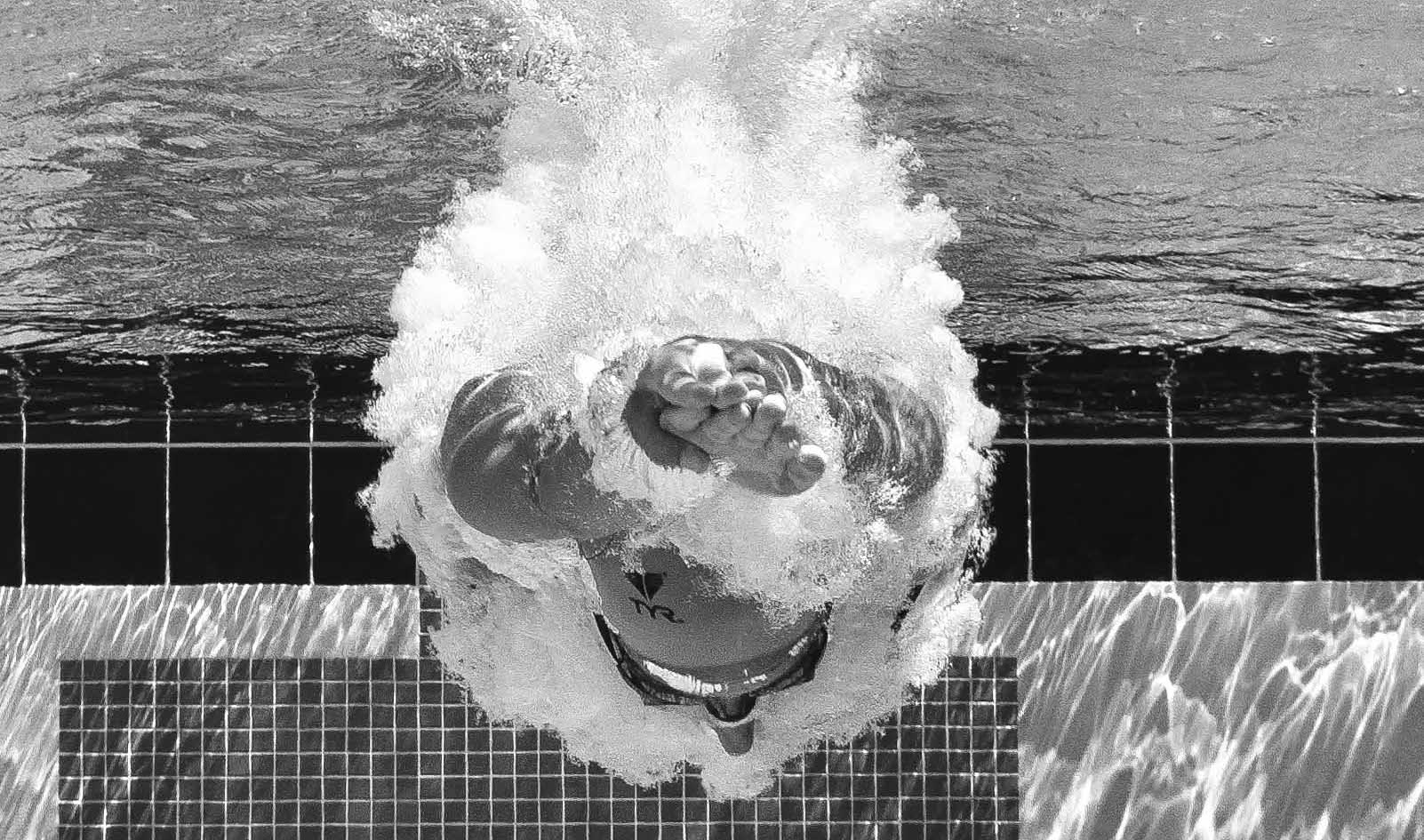
Oftentimes in swimming, it is said that a flip turn will make or break a race. Considered to be a “blind” turn, a swimmer’s head should stay directly in line with their body and not look around at their competition when completing the motion. The goal of a flip turn is to eliminate extra drag and remove any unnecessary body movements to quickly change directions. Swimmers must trust themselves when coming to the wall in order for it to be a successful transition. While a large part of a swimmer’s focus should be on the somersault going into the flip turn, an explosive push off the wall can be the determining factor on out touching opponents.
Read More