
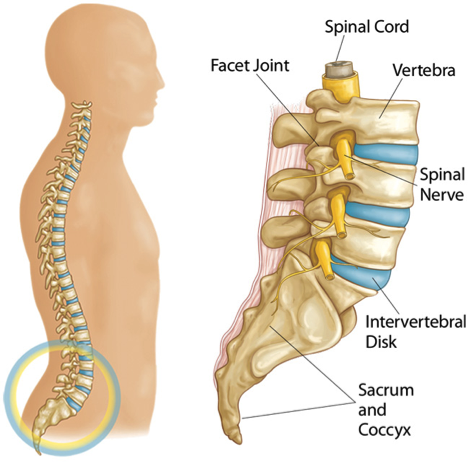
When a swimmer explodes off the starting blocks, each muscle needs to be firing in the proper sequence with full mobility to perform at the top level. Low back pain (LBP) can greatly hinder both performance and mobility. Although not as common as shoulder injuries, studies report low back injuries in 16% of elite swimmers,1 while other studies have reported much higher rates, ranging from 77%-87% in both high load and recreational swimmers.2 Low back pain affects swimmers of all ages, from the novice to elite level. This article will take you through a brief review of the anatomy and function of the back, causes and risk factors for LBP, and finally prevention and management strategies.
Read More
This month’s edition of Sports Psychology is for the coaches and individual athletes who want to plan for success and find ways to evaluate where to adjust if needed. This is the first article in a four part series.
Read More
Welcome to the freestyle installment of our BridgeAthletic swim building blocks. While every swimmer pumps out countless yards of freestyle, those who compete in freestyle events the most require stroke specific exercises. Sprinters and distance freestylers may have different tempos, distance per stroke, and breathing patterns, but the basic biomechanics of their stroke remains the same. Incorporate the following exercises into your dryland training to harness more power in your freestyle.
Read More
Outside the practice field, the weight room is a second home for football players. Strength training plays a significant role in the development of a football team. A successful strength and conditioning program can be the defining factor for harnessing raw young talent into true athleticism. In a sport that demands a capacity for both agility and power, a dynamic training plan to accommodate athletes’ needs should be well documented to track athletic development within multiple growth areas.
Read More
Okay, so you’ve fully acclimated yourself to the heat and mastered your hydration plan. You’re almost ready to take on the blisteringly hot, swelteringly humid conditions of competition. A discussion on heat training would not be complete without addressing cooling methods and early identification of exertional heat-related illness.
Read More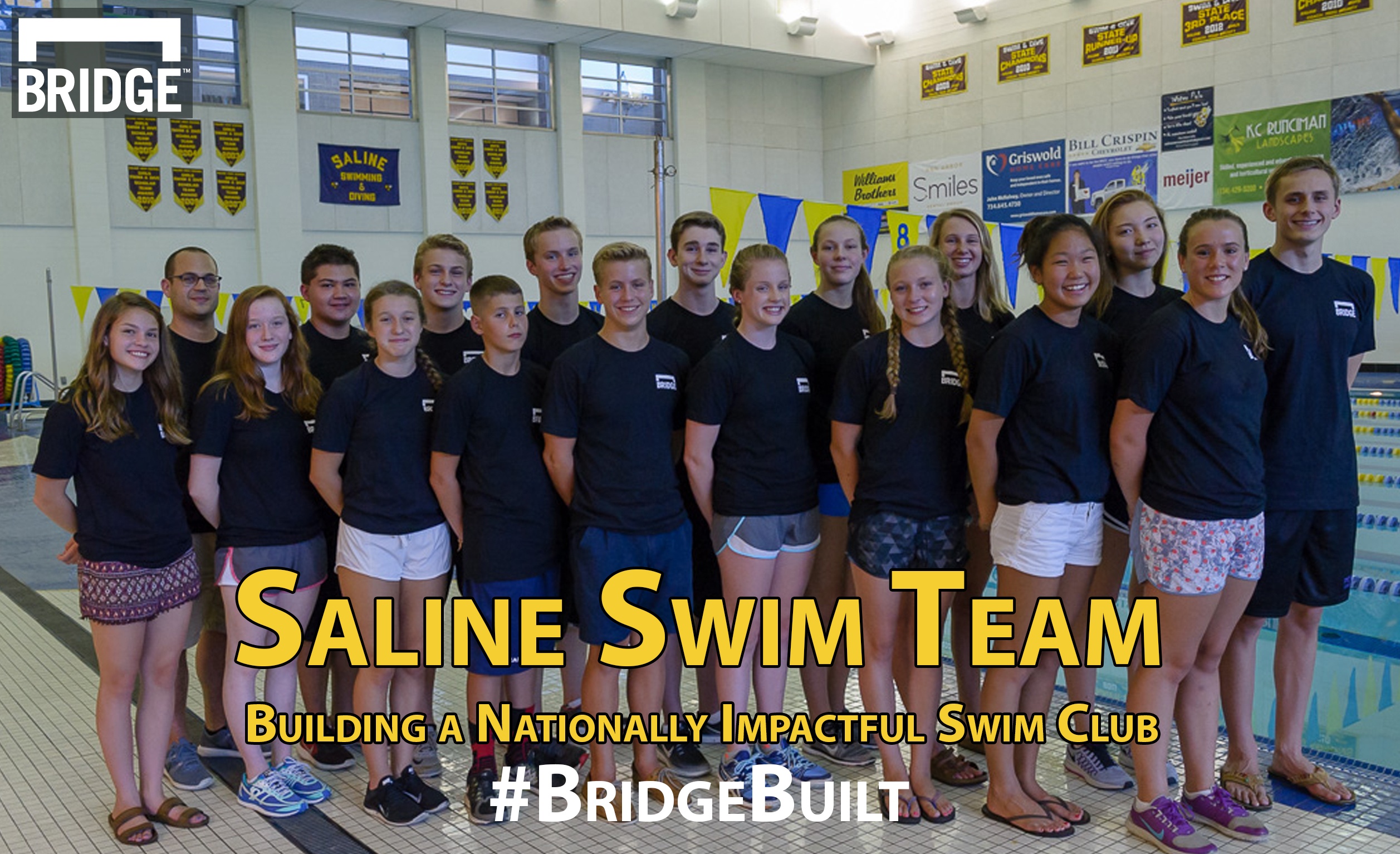
Building a Nationally Impactful Swim Club
Every day at BridgeAthletic headquarters, we hear tales from organizations across sports of coaches building better programs, athletes training smarter, and teams coming together to set new records. These are stories of championships won, obstacles overcome, and goals achieved. It’s what keeps us doing what we do every day, striving to build better athletes across sports and around the world. Instead of keeping these tales of glory and greatness to ourselves, we’d like to share them with you through our #BridgeBuilt series featuring a team or athlete that has achieved great results while using the BridgeAthletic platform.
Read More

This month’s edition of Sports Psychology builds on the Plan stage of the Learn, Plan, Perform Model, discussing how mental training through the practice of imagery is a fundamental part of achieving long-term skill goals.
Read More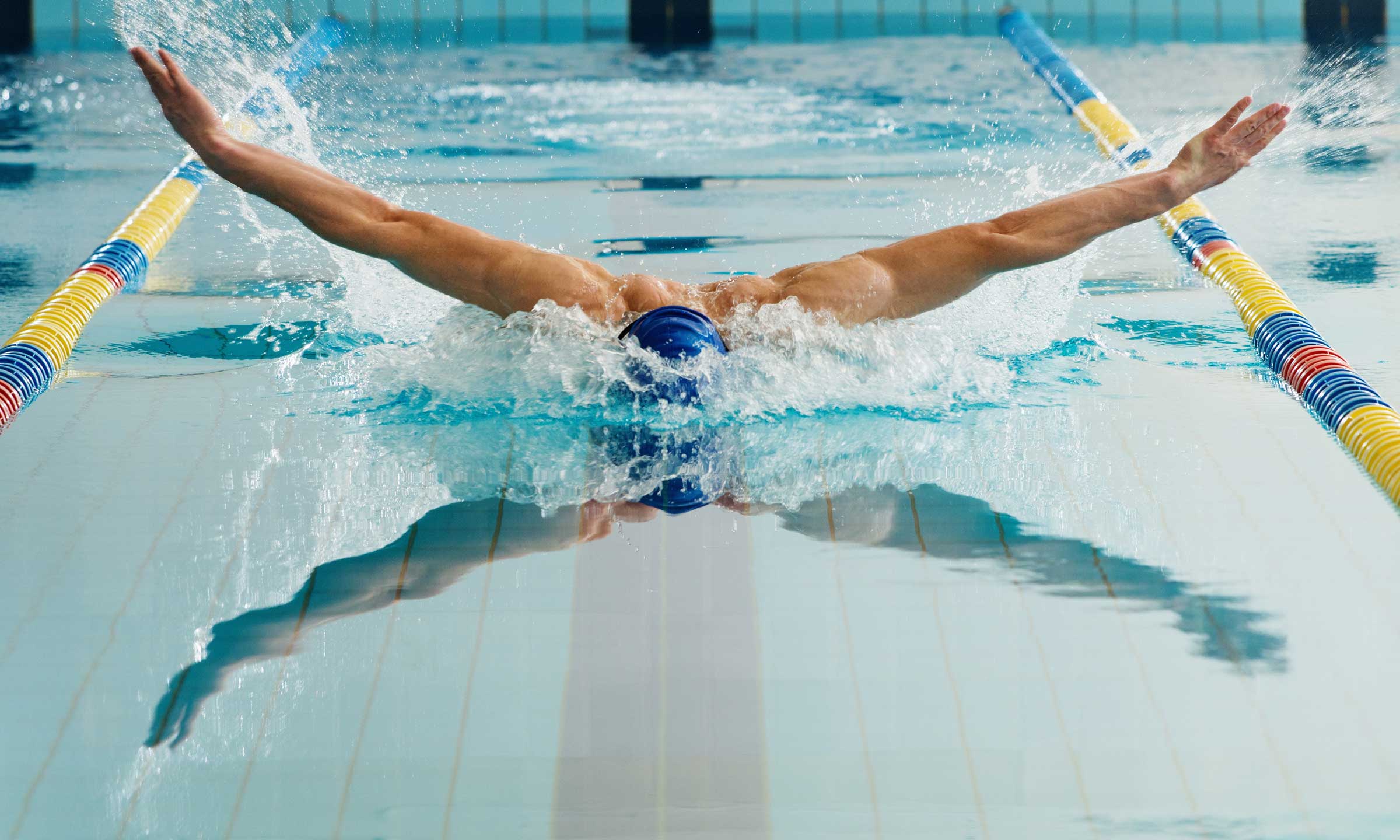
The BridgeAthletic Building Block Series is a set of 5 exercises that can be performed by swimmers of all levels on the pool deck. This post will dive into butterfly-specific movement patterns that require full-body engagement and connectivity from toes to fingertips.
Read More


It’s that time of year again. The good vibes that accompany long summer days, offseason training, and vacations are replaced by excitement and fear as the imminent return to school approaches.
Read More