
The Barbell Squat Variations Series is a look into the BridgeAthletic Exercise Library and the multiple variations of each exercise that we have. The squat is a key lower extremity strength exercise, so we'd like to give you a few different variations with the barbell to implement into different phases of your periodizing to keep your programming fresh and achieving optimal results. Starting with the Back Squat, then moving to the Front Squat and Overhead Squat. All three are solid choices in general preparation, hypertrophy and strength phases. Moving into the power and speed phases the Band Back Squat and Band Front Squat are great ways to transfer the strength work from previous phases.
Read More
Read More
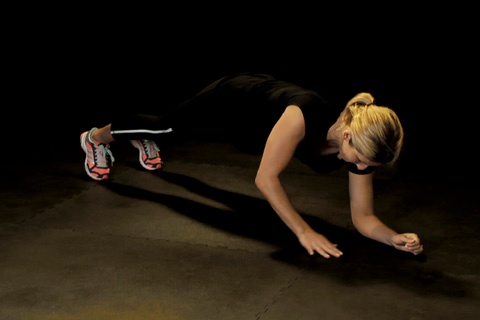

Day 5: Front Bridge Up Downs
The final exercise in the progression brings all of the previous exercises togetther - unilateral extremity movement, full-body stability and vertical movement.
Read More
Read More
Read More
Read More
Read More
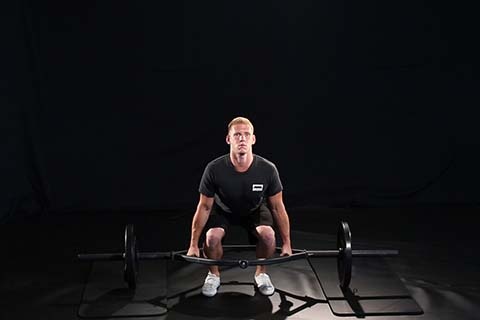
Day 5: Depth Jump
Now that you've mastered jumping and the landing technique, we introduce a counter-movement component to the jump progression. The Depth Jump is a great exercise for maximizing the benefits of the stretch shortening cycle or plyometric reflex. Only include this exercise into your training regimen once you have developed sufficient muscoskeletal strength to handle this type of load and force production.
Read More
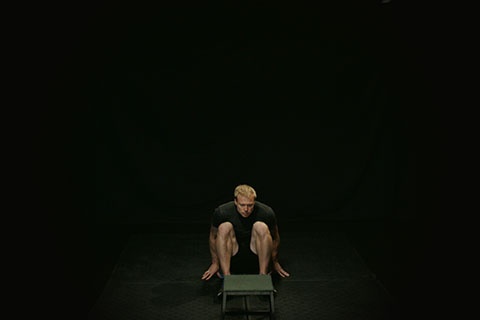
Tuck, Roll, Jump adds coordination and kinesthesia to the jump progression. Make sure to only perform this once you have mastered your landing technique.
Read More
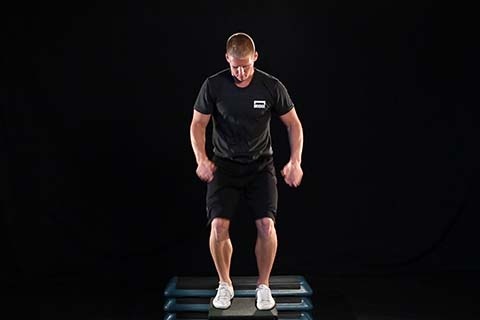
The Seated Box Jump is a great exercise to teach hip speed and coordination. Like the regular Box Jump, try to use a soft box, such as a gymnastics box, instead of a metal box. Initially, set the box up at knee height. You will also need a box or bench to sit on. Make sure seat allows for a hip-knee angle just above 90 degrees to start with. As you improve over time, you can lower the height of the box or bench.